

Type 1 Commercial Kitchen Hood: Requirements, Sizing and Installation in Ontario
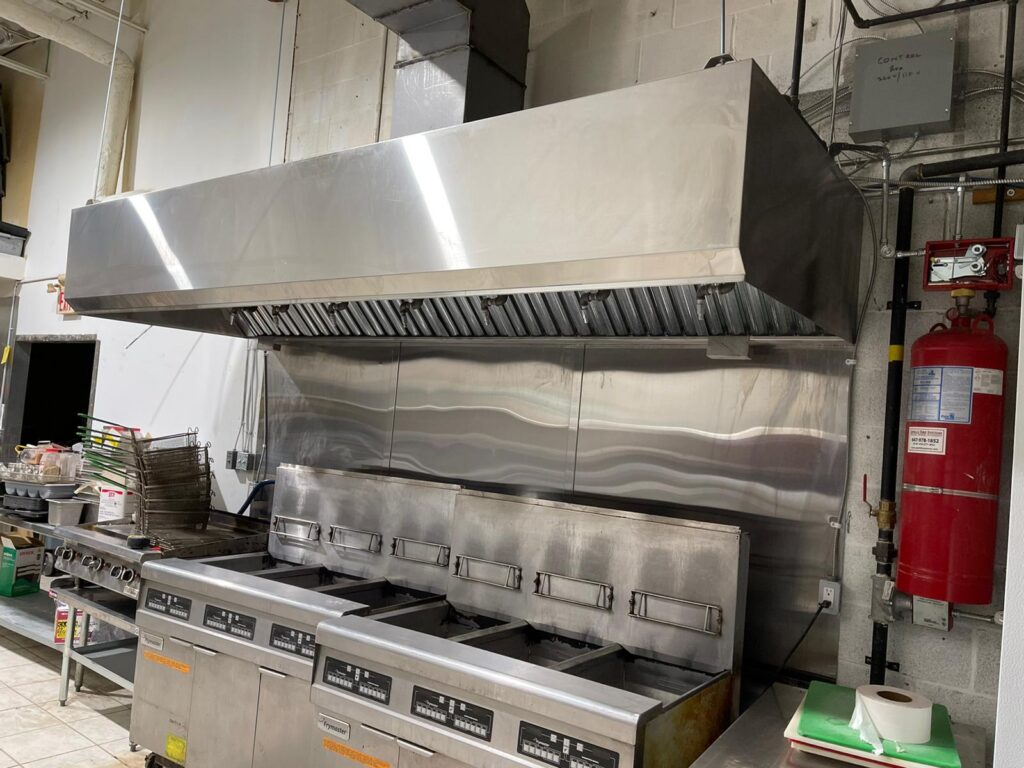
If your kitchen has fryers, grills, charbroilers, woks or griddles, the hood above them is almost certainly a Type 1 commercial kitchen hood. It is the part of the exhaust system that captures grease-laden smoke at the source, and it is the first thing a building inspector or fire official looks at when they walk your cook line. For restaurant owners and commercial kitchen operators in the GTA, getting the Type 1 hood right from the start saves redesigns, failed inspections and costly delays to opening day.
This guide explains what a Type 1 hood is, when one is required in Ontario, how it is sized, and what to plan for when it is installed.
What Is a Type 1 Commercial Kitchen Hood?
A Type 1 hood, often called a grease hood, is built for cooking equipment that produces grease and smoke. It captures the vapour rising off the appliances, removes as much grease as possible with baffle or other listed grease filters, and sends the rest of the exhaust through a sealed grease duct to an exhaust fan on the roof or outside wall.
A Type 1 hood is never a stand-alone item. It works as one system with:
- Grease filters that sit at an angle in the hood and trap grease before it reaches the duct.
- A liquid-tight grease duct, usually welded steel, that carries the exhaust out of the building.
- An exhaust fan rated for grease-laden air, such as an upblast fan.
- Make-up air that replaces the air being exhausted so the hood can capture properly.
- A fire suppression system that protects the hood, filters, duct opening and appliances below.
If you are still deciding between hood types, our guide to choosing the right type of kitchen exhaust system compares Type 1 hoods with Type 2 (heat and steam) hoods.
When Does Ontario Require a Type 1 Hood?
In Ontario, commercial cooking ventilation is regulated through the Ontario Building Code and the Ontario Fire Code, which rely on NFPA 96, the standard for ventilation control and fire protection of commercial cooking operations. In practice, a Type 1 hood is expected over any commercial cooking appliance that produces grease-laden vapour during normal use.
Common examples include:
- Deep fryers and pressure fryers
- Charbroilers, grills and griddles
- Woks and high-heat range tops
- Tilting skillets and braising pans
- Some ovens, depending on what is cooked in them and how the appliance is listed
Some appliances fall into a grey area. A countertop unit that is only used to reheat may be treated differently from the same unit used to cook raw proteins. Your municipality’s building department makes the final call, so it is worth confirming the requirement for each appliance before you finalize your equipment layout. Our article on kitchen exhaust permit requirements explains when a permit is needed and what drawings are usually submitted.
How a Type 1 Hood Is Sized
A hood that looks big enough on a drawing can still fail to capture smoke on a busy Friday night. Sizing is about more than matching the length of the cook line.
Hood length and overhang
The hood must cover the full cooking surface of every appliance under it, with overhang at the front and sides. Extra overhang improves capture, especially over equipment that throws off a lot of heat and smoke, such as charbroilers. The exact minimum comes from the code and from the hood’s listing, so it should be confirmed for your specific model.
Wall, island or back-shelf style
The hood style depends on where the cook line sits. Wall-mounted canopy hoods are the most common in restaurants. Island hoods are open on all sides and usually need more airflow to capture the same smoke. Back-shelf or proximity hoods sit lower and closer to the cooking surface and suit some lines with limited ceiling height.
Exhaust airflow
The exhaust rate is set by the appliances, not by the size of the room. Solid-fuel and charbroiling equipment needs much more airflow than light-duty ovens. The airflow drives the size of the exhaust fan, the grease duct and the make-up air unit, so it should be worked out before any of those are ordered.
Make-up air
Every unit of air the hood pulls out has to be replaced. Without enough make-up air, the kitchen goes into negative pressure: doors become hard to open, smoke rolls out of the front of the hood, and the exhaust fan works harder than it should. Planning a make-up air or fresh air system alongside the hood is part of sizing it properly.
What to Plan for During Type 1 Hood Installation
Installing a Type 1 hood touches the structure, the roof, the fire protection system and the electrical system. These are the points that most often cause delays when they are left late.
Clearances to combustible materials
The hood and grease duct need minimum clearances from combustible construction such as wood framing and some ceiling materials, or listed protection where that space is not available. In older buildings and mixed-use plazas, this is often the deciding factor in where the hood can go.
The grease duct route
The grease duct should take the shortest practical route to the outside, sloped back toward the hood so grease drains instead of pooling, with liquid-tight welded joints. Where the duct passes through floors or fire-rated ceilings, it needs a rated enclosure or wrap. Access panels are placed so the full length of the duct can be reached for inspection and by a certified cleaning contractor. Our commercial duct work page covers this part of the system in more detail.
Exhaust fan and roof work
The exhaust fan has to match the hood’s airflow and be rated for grease-laden air. On the roof, the fan needs a curb, proper flashing, a hinge kit so it can be tilted for access, and safe discharge away from air intakes and neighbouring buildings. Fan selection and installation are covered on our commercial exhaust fan page.
Fire suppression coordination
Every Type 1 hood over grease-producing appliances needs a fire suppression system. The suppression piping, nozzles and gas shut-off are usually installed by a licensed fire protection contractor, so the hood order, mounting height and appliance layout should be shared with them early. Changing the appliance line after the suppression system is designed can mean redesigning it.
Common Type 1 Hood Problems in Existing Kitchens
When a restaurant changes hands or updates its menu, the existing hood is often not a good fit for the new equipment. Signs that a Type 1 hood needs repair, upgrade or replacement include:
- Smoke escaping from the front or sides of the hood during busy service
- New appliances that extend past the end of the hood
- Damaged, missing or poorly fitting grease filters
- Grease dripping from hood seams or joints
- A kitchen that feels stuffy, or doors that are hard to open, which points to missing make-up air
- Hood lights or fan controls that no longer work reliably
Filters, seams and controls can often be repaired. A hood that is too short for the cook line usually needs to be extended or replaced.
Choosing the Right Type 1 Hood for Your Kitchen
Before you buy a hood, gather this information:
- A list of every appliance on the cook line, with its size and fuel type.
- The menu and how heavily each appliance will be used.
- Ceiling height and what is above the ceiling.
- Where the duct can leave the building and where the fan can sit.
- What the building allows: landlord rules, roof access, and whether exhaust must be filtered before it leaves the building.
With that information, the hood, duct, fan and make-up air can be designed together so the system captures properly, passes inspection and is easy to service. You can see the hoods we supply and install on our commercial kitchen hood page.
Talk to The Kitchen Exhaust About Your Type 1 Hood
The Kitchen Exhaust supplies, installs and repairs Type 1 commercial kitchen hoods, along with the ductwork, exhaust fans and make-up air that go with them, for restaurants and commercial kitchens across the GTA. Whether you are opening a new location, changing your menu or replacing an old hood, contact The Kitchen Exhaust to talk through your kitchen and get a quote for supply, installation or repair.