

How Make-Up Air and HVAC Work Together in a Restaurant
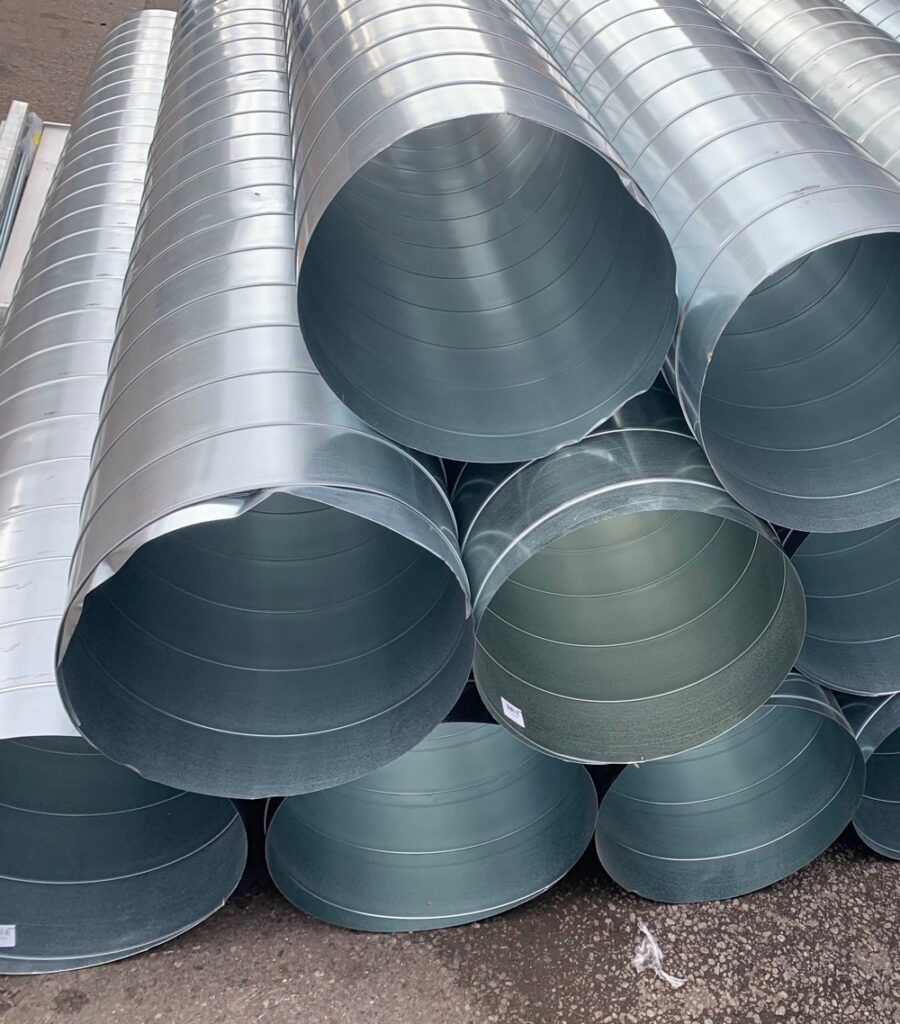
Every restaurant runs on air that moves in and out of the building. The kitchen exhaust pulls smoke, heat and grease out through the hood. Make-up air brings fresh air back in to replace it. The rooftop HVAC unit heats and cools the dining room and the rest of the space. Make-up air and HVAC are separate systems, but they share the same building, and when they are not planned together, owners end up with doors that are hard to open, drafts on the line and a dining room that never feels right. This guide explains how these systems work together and what to think about when you plan them.
At The Kitchen Exhaust, we design and install kitchen exhaust systems and make-up air for restaurants and commercial kitchens, and we install commercial rooftop units and HVAC ductwork, so we look at all of it as one building.
What Each System Does
Kitchen exhaust
The hood captures smoke, heat and grease from the cooking equipment, and the exhaust fan pulls that air through the duct and out of the building. While the kitchen is cooking, a large amount of air leaves the restaurant this way.
Make-up air
Make-up air and fresh air systems replace the air that the exhaust removes. A make-up air unit brings outside air in, tempers it so it is not uncomfortably cold in winter, and delivers it where it supports the hood instead of fighting it.
Rooftop HVAC
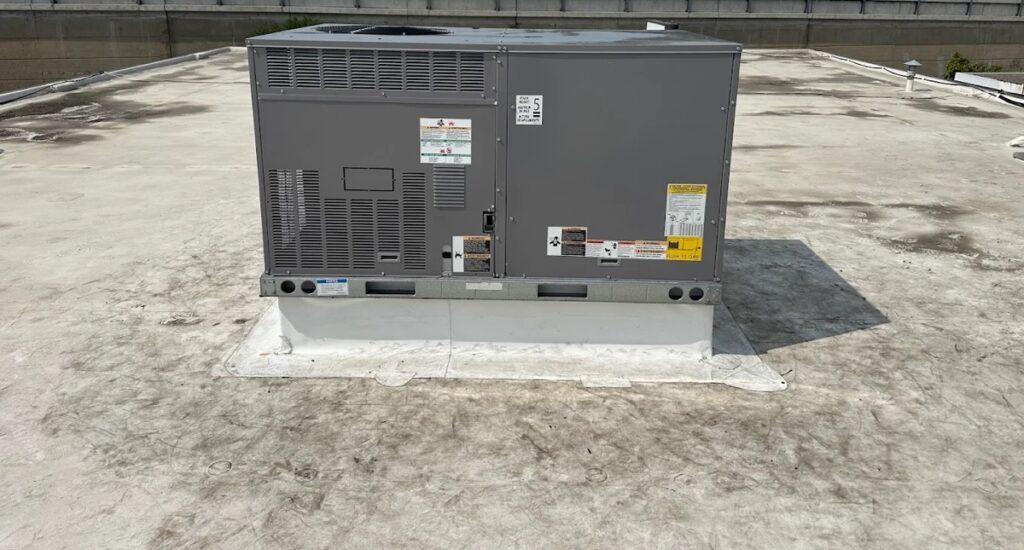
The rooftop unit and its ductwork look after comfort: heating and cooling the dining room, bar, washrooms, offices and the rest of the space. Its job is to keep people comfortable, not to replace the air the kitchen exhaust removes.
What Happens When Make-Up Air and HVAC Are Not Balanced
When the exhaust removes more air than the building gets back, the restaurant goes into negative pressure. Air then finds its own way in, through doors, windows and any gap it can find. The signs are easy to recognize:
- Doors that are hard to open or that slam shut when the hood is running.
- Cold drafts near the entrance and through the dining room in winter.
- Smoke escaping the hood because the hood cannot capture properly.
- Cooking odours drifting into the dining room or into neighbouring units in a plaza.
- A dining room that is too hot or too cold even though the rooftop unit seems to be working hard.
Many of these problems get blamed on the rooftop unit. In reality, the HVAC system is often being asked to make up for air the kitchen side of the building never replaced.
How Make-Up Air and HVAC Work Together
In a well-designed restaurant, each system has a clear job:
- The kitchen exhaust removes what the cooking line produces.
- Make-up air replaces the air the exhaust removes, delivered so it supports the hood’s capture.
- The rooftop HVAC unit keeps the dining room and the rest of the space comfortable.
When the make-up air does its job, the rooftop unit can focus on comfort. When make-up air is missing or poorly delivered, the HVAC system ends up working against the exhaust, and neither one performs the way it should. Planning the commercial HVAC services side of your restaurant together with the kitchen exhaust and make-up air is the simplest way to avoid that.
Planning Them as One Project
The best time to get the balance right is when something is already changing:
- A new restaurant. Designing the hood, exhaust fan, make-up air and rooftop HVAC together from the start avoids the most common comfort and capture problems.
- A renovation. Moving walls, expanding the dining room or changing the kitchen layout can all upset a balance that used to work.
- A menu change. Adding fryers, grills or other cooking equipment can change how much air the exhaust needs to remove, and the make-up air and HVAC need to keep up.
- A rooftop unit replacement. Replacing the HVAC unit is a good time to check that the make-up air and the exhaust still match the space.
If you are comparing make-up air options for your kitchen, our guide to choosing the right make-up air system explains what to look for.
When to Have Your System Reviewed
It is worth having the exhaust, make-up air and HVAC looked at together when:
- You have added or changed cooking equipment on the line.
- You are taking over a space from a previous tenant.
- Guests or staff keep complaining about drafts, heat or cold.
- Smoke or odours are escaping the hood or reaching the dining room.
Frequently Asked Questions
Can my rooftop unit replace make-up air?
Generally, no. The rooftop unit and the make-up air unit do different jobs, and one is not a substitute for the other. Your designer and your municipal building official decide what your kitchen needs.
Why does my front door pull hard when the hood is on?
This is a common sign that the exhaust is removing more air than the building is getting back. A review of the make-up air and how it is delivered is usually the place to start.
Who should design the make-up air and HVAC?
Ideally, one team that looks at the kitchen exhaust, the make-up air and the HVAC together, so each system is planned with the others in mind.
Balance Your Restaurant With The Kitchen Exhaust
If your restaurant has drafts, hard-to-open doors or a dining room that never feels comfortable, the answer is often in how your exhaust, make-up air and HVAC work together. The Kitchen Exhaust designs and installs kitchen exhaust systems and make-up air, and installs commercial rooftop units and HVAC ductwork, for restaurants across the GTA. Call (416) 529-9274 or request a quote to talk through your space.