

Choosing The Right Make Up Air System For Restaurant Kitchens
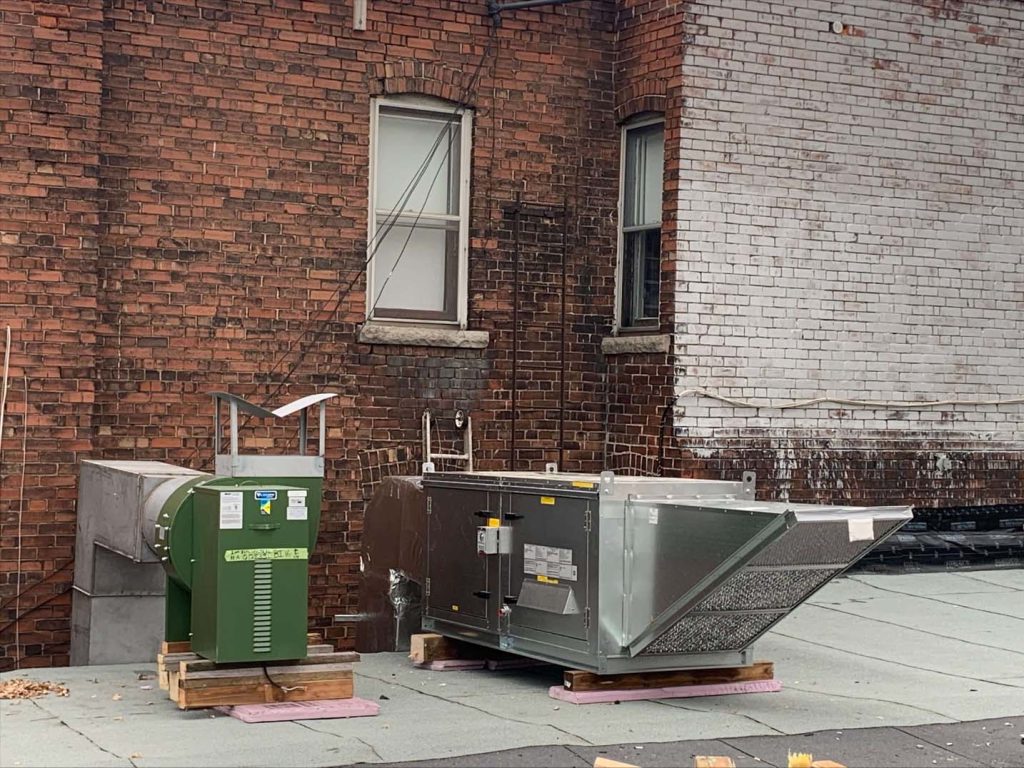
A busy restaurant kitchen can remove thousands of cubic feet of air every minute through the hood and roof fan. If that air is not replaced properly, your building starts fighting itself. Doors get harder to open, drafts pull from unwanted areas, smoke lingers under the hood, and line staff feel the heat more intensely. That is why choosing the right make up air system is not a “nice to have.” It is one of the most important decisions you can make for comfort, performance, and long-term reliability.
At The Kitchen Exhaust, we see this every day across the GTA. A make up air system that is undersized, poorly located, or not coordinated with the exhaust can make even a high-quality hood and fan perform badly. On the other hand, a correctly designed make up air system supports better capture, steadier airflow, quieter operation, and a kitchen that is easier to run during peak service. This guide breaks down how to choose the right make up air system for restaurant kitchens, what features matter most, and how to avoid costly mistakes.
Start With The Real Goal Of A Make Up Air System
The main job of a make up air system is to replace the air your kitchen exhaust removes, so the building does not go into strong negative pressure. That replacement air helps your hood capture smoke and grease vapours, stabilizes airflow through the ductwork, and reduces the chance that air will be pulled in through doors, cracks, or neighboring spaces. When the make up air system is doing its job, most teams do not think about it at all. The kitchen simply feels steadier and the hood performs more consistently.
The second goal is comfort and practicality. A make up air system can bring in very cold air in winter and very hot humid air in summer. If that air is dumped into the wrong location, staff will complain, managers will override controls, and the system will drift out of balance. Choosing the right make up air system means balancing performance with comfort, then setting controls and distribution so the system stays reliable even when the restaurant is busy.
How Negative Pressure Shows Up In Real Kitchens
Negative pressure is not just a technical term. It shows up as front doors that stick, back doors that slam, drafts across the line, and a constant pull of air into the kitchen that feels uncomfortable. It can also cause stronger odors in dining areas because air movement becomes unpredictable. If your exhaust fan seems louder and your hood capture feels weaker, the make up air system may be part of the root cause.
A quick test is to watch how doors behave during peak cooking when the hood is running at full speed. If the building feels like it is “sucking air” through every opening, you likely need to adjust or upgrade your make up air system capacity, delivery, or controls.
Why “More Air” Is Not Always Better
Some owners think the fix is to blast more outside air into the kitchen. That can create new problems, like drafts that disrupt hood capture or cold air dumping directly onto the cooking line. A make up air system must be sized and distributed correctly so it supports capture rather than fights it. The best results come from the right volume of air delivered in the right way, not simply the highest airflow possible.
If your kitchen team is tempted to turn off the make up air system because it is uncomfortable, that is a strong sign the design or delivery strategy needs improvement.
Size The Make Up Air System Based On Your Exhaust Reality
Choosing the right make up air system starts with knowing how much air you are exhausting. That includes the hood exhaust and often other exhaust points like dish areas, washrooms, and general building exhaust. Once you know the total, the next step is deciding how much replacement air should come from the make up air system versus how much can be transferred from adjacent spaces like dining or corridors. This is not guesswork. It should be calculated and then validated during commissioning.
A key point is that your “exhaust reality” changes over time. Many restaurants add equipment, extend hours, or increase production without updating airflow planning. If your hood system is upgraded but the make up air system is left behind, the building can become more negative and your fan and hood performance can suffer. That is why The Kitchen Exhaust often evaluates the full Commercial Kitchen Exhaust System, including Commercial Hood Kitchen capture, Commercial Exhaust Fan performance, Commercial Duct Work resistance, and Make Up Air / Fresh Air balance together.
The Role Of Duct Resistance And Grease Buildup
Even with a correctly sized make up air system, your kitchen can feel negative if the exhaust side is restricted. Grease buildup in Commercial Duct Work increases resistance, reduces airflow, and creates turbulence that affects capture. This can make the roof fan work harder and can shift how the make up air system behaves because the system is no longer operating at its design point.
If you are choosing a make up air system for an existing restaurant, it is smart to inspect the duct and fan condition first. A clean, properly maintained exhaust path gives you a more accurate baseline for sizing and balancing.
Interlocks And Why They Matter For Daily Operations
A make up air system should operate in coordination with the exhaust. In many designs, the make up air system is interlocked so it runs when the hood runs and responds correctly when the fan speed changes. This prevents staff from switching off the make up air system during service, which can cause severe negative pressure.
Interlocks also support consistency. A make up air system that starts reliably with the exhaust helps your kitchen perform the same way every day, which reduces surprises and helps managers maintain stable standards.
Choose The Right Type Of Make Up Air System For Your Climate And Kitchen
Not all restaurant make up air equipment is the same. The best make up air system for one restaurant might be wrong for another depending on climate, size, and comfort requirements. In a Canadian climate, tempering the incoming air is often critical. A make up air system that dumps untempered winter air into the kitchen will create immediate complaints and workarounds. In summer, unconditioned air can bring humidity and heat that makes the line feel worse.
As an educational reference, Health Canada guidance on ventilation emphasizes the importance of supplying outdoor air and exhausting indoor air to support indoor environment quality, with proper operation and maintenance. That concept applies directly to restaurant ventilation decisions, including how the make up air system is selected and maintained.
Tempered Make Up Air
A tempered make up air system heats, and sometimes cools, incoming outdoor air so it does not shock the kitchen environment. Tempering does not have to mean “hot air blasting.” It means delivering air at a reasonable temperature so staff comfort is protected and the system can run continuously without people fighting it. For many restaurants, this is the practical baseline for choosing the right make up air system.
Tempered units also help stability. When incoming temperature is controlled, airflow behavior is more predictable and the hood capture zone is easier to manage during high cooking loads.
Direct-Fired Vs Indirect-Fired Heating
Some make up air system designs use direct-fired heating and others use indirect-fired heating. The best choice depends on local requirements, engineering preferences, and how the system integrates with the rest of your building HVAC. What matters most operationally is that the make up air system provides enough heating capacity to avoid cold drafts and prevent freeze-related issues.
Whichever approach you choose, confirm the system has the right safety controls, proper commissioning, and a distribution plan that avoids dumping air directly onto staff work zones.
Energy Recovery Options
Energy recovery can reduce energy costs when bringing in outdoor air, but kitchens are challenging because grease and moisture can affect performance and maintenance. Some restaurants benefit from energy recovery for general building ventilation while keeping the kitchen make up air system simpler for reliability. The right approach depends on your building layout, kitchen intensity, and maintenance capacity.
If energy recovery is considered, the key question is serviceability. Choosing the right make up air system includes choosing equipment you can maintain consistently without creating pressure drop or contamination issues.
Design Air Delivery So It Supports Hood Capture
Even a perfect unit can fail if the air delivery is wrong. Choosing the right make up air system includes planning where the air enters, how fast it enters, and whether it creates drafts that disrupt capture. Air delivered too aggressively can push smoke out from under the hood. Air delivered too far away can fail to support capture and can still leave the kitchen negative.
A good delivery plan supports the Commercial Hood Kitchen capture zone. It provides replacement air in a way that reduces turbulence and helps the hood pull smoke and vapours smoothly. The “best” make up air system is the one that feels invisible to staff because it does not blast their station while still supporting strong capture.
Placement Mistakes That Cause Complaints
The most common mistake is dumping make up air directly on the line. Staff feel cold, food temperature can be affected, and managers end up turning the system down or off. Another mistake is delivering all the air at one point in a large kitchen, creating uneven zones where one area is drafty and another is still negative.
Choosing the right make up air system means planning distribution. If your kitchen has multiple hoods or zones, you may need multiple supply points or diffusers that spread air more evenly.
Make Up Air And Dining Room Comfort
Some restaurants rely on transfer air from the dining room. That can work, but it must be planned carefully. If too much air is pulled from dining, guests may feel drafts at the entrance or temperature instability. If too little air is available, the kitchen still goes negative and the make up air system is effectively undersupplying.
A balanced approach keeps both spaces comfortable. The kitchen gets the air it needs for capture and staff comfort, and the dining room remains stable for guests.
What To Check When Comparing A Make Up Air System
Choosing the right make up air system is easier when you compare equipment using a consistent checklist. Use these factors to guide decisions and reduce surprises after installation.
- Airflow capacity matched to real exhaust CFM
- Reliable interlock with the hood and exhaust fan controls
- Adequate heating capacity for winter operations
- Air delivery plan that avoids drafts across the cook line
- Filtration that is easy to change and commonly available
- Clear access panels for service and inspections
- Freeze protection and seasonal safeguards
- Controls that prevent short cycling and temperature swings
- Commissioning support and airflow balancing plan
- Maintenance schedule that staff can realistically follow
A make up air system is not only an equipment purchase. It is an operational commitment. If the system is hard to maintain, performance will drift and comfort complaints will return.
Plan Controls That Keep The System Stable During Rush Hours
Controls matter as much as the unit itself. Choosing the right make up air system includes selecting controls that match your operational reality. Restaurants have variable loads, doors opening and closing, and changing cooking intensity throughout the day. A make up air system that cannot respond smoothly may create temperature swings, airflow instability, and noise complaints.
The goal is steady operation. During rush hours, the system should not hunt up and down or overshoot temperatures. It should deliver stable air so the hood capture remains consistent. This often requires proper commissioning and, in some cases, variable speed control strategies that coordinate with the Commercial Exhaust Fan.
Variable Speed Exhaust And How Makeup Air Should Respond
If your kitchen uses variable speed exhaust, your make up air system should be designed to respond appropriately. If the exhaust ramps up but make up air does not, negative pressure increases. If make up air ramps up too aggressively, it can disrupt hood capture. Coordinated control avoids both extremes.
A smooth response strategy helps the kitchen feel predictable and reduces the chance that staff will override settings because the space becomes uncomfortable.
Filtration And Seasonal Air Quality Considerations
Outdoor air quality changes seasonally. A make up air system with proper filtration helps reduce dust and seasonal debris entering the kitchen. Filters also protect internal components, improving reliability and reducing service interruptions.
Choosing the right make up air system means choosing filtration you can maintain. A filter that is expensive or hard to source is more likely to be neglected, which leads to performance drop and more complaints.
Connect Make Up Air Choices To Maintenance And Compliance
A make up air system is part of your broader safety and maintenance responsibilities. In Ontario, the Fire Code references maintaining commercial cooking ventilation and fire protection systems in accordance with NFPA 96, which strengthens the case for a proactive maintenance plan that covers the full exhaust path. When your hood, ducts, and fan are maintained, airflow remains closer to design, and the make up air system can be balanced more reliably.
As a second Canadian government or education style reference, Ontario public health and food premises guidance emphasizes maintaining premises and equipment in a sanitary condition supported by structured cleaning and documentation. While that guidance is broader than ventilation alone, it supports the operational idea that planned maintenance and records reduce risk and inspection stress.
How Exhaust Cleanliness Impacts Makeup Air Performance
If the duct is restricted by grease, the exhaust fan can behave differently than expected. That can create pressure shifts that make the make up air system seem “wrong” even if it is sized properly. This is why The Kitchen Exhaust often recommends addressing Commercial Duct Work cleanliness and Commercial Exhaust Fan condition alongside make up air adjustments.
Clean systems are easier to balance. They are also quieter and more efficient because fans do not need to fight unnecessary resistance.
Documentation And Service Reports
If you are investing in a make up air system, keep commissioning reports, balancing reports, and service records organized. Documentation helps if you ever face disputes about performance or if inspectors ask about maintenance. It also helps new managers understand what “normal” operation should feel like.
A good make up air system plan includes scheduled checks, filter changes, and periodic verification that the system is still balanced as the restaurant evolves.
Why Choose The Kitchen Exhaust
Choosing the right make up air system is easiest when it is handled as part of a complete ventilation strategy, not an isolated equipment purchase. The Kitchen Exhaust takes a system-level approach that connects Make Up Air / Fresh Air with Commercial Hood Kitchen capture, Commercial Duct Work condition, Commercial Exhaust Fan performance, and the overall Commercial Kitchen Exhaust System balance. That approach matters because comfort, capture, and safety are all linked, and one weak link can make the whole setup feel unreliable.
We also focus on practical results. Restaurant operators need a make up air system that staff will tolerate, managers can maintain, and owners can trust during peak service. We help you choose capacity and controls that fit your cooking load, plan air delivery to avoid drafts, and support documentation so your system remains stable over time. If your kitchen struggles with negative pressure, lingering smoke, loud fans, or constant comfort complaints, we can help you identify the root causes and choose a make up air system plan that solves them.
Ready To Improve Airflow And Comfort?
Choosing the right make up air system for restaurant kitchens comes down to a few essentials: size it based on real exhaust volume, temper and distribute air so staff comfort is protected, coordinate controls with the exhaust, and maintain the full system so airflow stays stable. A make up air system that is designed and commissioned correctly supports better hood capture, reduces drafts, and makes daily operations smoother for everyone.
If you are opening a new location, upgrading your hood, or trying to fix negative pressure and comfort issues in an existing restaurant, The Kitchen Exhaust can help you select and implement a make up air system that fits your kitchen. We can evaluate your Commercial Hood Kitchen setup, your Commercial Duct Work condition, your Commercial Exhaust Fan performance, and your Make Up Air / Fresh Air requirements, then recommend a solution that is reliable in real service. Contact The Kitchen Exhaust to schedule an assessment and build a plan that keeps your kitchen comfortable, compliant, and consistently performing.
Frequently Asked Questions
- What is a make up air system in a restaurant kitchen?
A make up air system supplies replacement air for the air removed by the kitchen hood and exhaust fan, helping prevent negative pressure and supporting stable hood capture. - How do I know my make up air system is undersized?
Common signs include doors that are hard to open, strong drafts, lingering smoke, and a commercial exhaust fan that seems louder during rush periods, which can all indicate the make up air system is not replacing enough air. - Should a make up air system be tempered in Canada?
In many restaurants, yes. A tempered make up air system reduces cold drafts in winter and helps the kitchen stay comfortable enough for staff to keep the system running consistently. - Can a make up air system affect smoke capture under the hood?
Yes. If the make up air system is poorly distributed or too strong in the wrong spot, it can disrupt capture and push smoke out from under the hood. - How often should I maintain a make up air system?
Filter changes should follow a regular schedule based on conditions, and the make up air system should be inspected periodically to confirm airflow, controls, and heating components are functioning correctly. - Does duct cleanliness matter when balancing a make up air system?
Yes. Restricted Commercial Duct Work increases resistance and changes exhaust behavior, which can affect how the make up air system should be balanced. - Can The Kitchen Exhaust help me choose the right make up air system?
Yes. The Kitchen Exhaust can evaluate your Commercial Kitchen Exhaust System, including Commercial Hood Kitchen, Commercial Exhaust Fan, Commercial Duct Work, and Make Up Air / Fresh Air needs, then recommend a make up air system plan that matches your restaurant’s cooking load and layout.