

How to Install a Commercial Kitchen Exhaust System
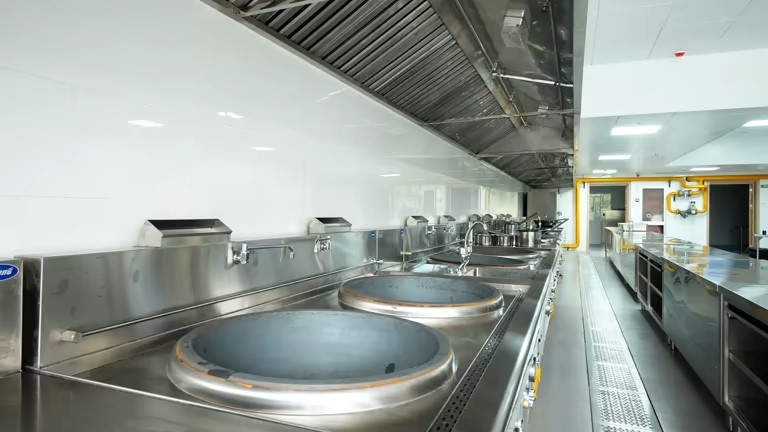
Commercial kitchen exhaust installation is one of the most important steps when setting up a professional kitchen. Whether you are launching a new restaurant or upgrading an existing space, proper ventilation is essential for safety, efficiency, and long-term performance.
Without a well-designed system, grease vapours and smoke can accumulate quickly. This not only creates an uncomfortable environment but also increases fire risks and inspection failures. That’s why understanding the installation process from the beginning is critical. To explore system components and requirements in detail, visit this guide on commercial kitchen exhaust installation.
What is a Commercial Kitchen Exhaust System?
A commercial kitchen exhaust system is a specialized ventilation setup designed to remove airborne grease, heat, smoke, and odours produced during cooking. It plays a crucial role in maintaining indoor air quality and preventing hazardous conditions in commercial kitchens.
The system includes an exhaust hood, ductwork, filters, and a fan. These components work together to capture contaminants at the source and safely expel them outside the building. Because cooking produces high levels of grease-laden vapours, having a properly functioning system is essential for both safety and operational efficiency.
Why Proper Kitchen Ventilation is Important
Proper kitchen ventilation is not just about comfort, it directly impacts safety and performance. A well-installed system improves air quality by removing smoke and grease particles that would otherwise linger in the kitchen.
It also reduces fire risks. Grease buildup inside ducts is highly flammable, and poor ventilation increases the chances of dangerous incidents. By ensuring consistent airflow, the system minimizes this risk significantly.
In addition, proper ventilation supports a better working environment. Kitchens can become extremely hot during peak hours, and effective airflow helps regulate temperature, making it easier for staff to work efficiently.
Planning Your Commercial Kitchen Exhaust Installation
Planning is the foundation of successful commercial kitchen exhaust installation. Before installation begins, you must evaluate your kitchen layout, cooking equipment, and airflow requirements.
For example, high-heat appliances such as fryers, grills, and charbroilers require stronger ventilation systems compared to ovens. The system must be designed to handle peak cooking loads without compromising performance.
The placement of the hood and routing of ductwork also play a major role. Poor planning can result in inefficient airflow, higher energy costs, and increased maintenance needs.
Working with professionals during this stage ensures your system is properly designed. Experts at The Kitchen Exhaust focus on delivering solutions that align with both operational needs and safety standards.
Step-by-Step Commercial Kitchen Exhaust Installation Process
The process of commercial kitchen exhaust installation includes planning the system layout, installing the exhaust hood, setting up ductwork, and mounting the exhaust fan. Each step ensures proper airflow, grease removal, and safe kitchen ventilation.
Installing the Exhaust Hood
The installation process begins with the exhaust hood, which is positioned directly above cooking equipment. This component captures smoke, grease, and heat at the source, preventing them from spreading throughout the kitchen.
Proper placement is essential. The hood should extend beyond the cooking surface to ensure maximum coverage. If it is installed too high or too low, its effectiveness will be reduced.
Different types of hoods are available depending on the kitchen layout. Wall-mounted hoods are common for kitchens with equipment placed against a wall, while island hoods are used for central cooking stations.
Exhaust Duct Setup
Once the hood is installed, the next step is setting up the duct system. The ductwork carries contaminated air from the hood to the exhaust fan and eventually outside the building.
This stage requires precision. Ducts must be made from fire-resistant materials and designed with minimal bends. Too many turns can reduce airflow efficiency and increase grease buildup over time.
All joints must be sealed properly to prevent leaks. Poor sealing can reduce system performance and create safety hazards. A well-designed duct system ensures smooth airflow and long-term reliability.
Fan Installation and Airflow Balancing
The exhaust fan plays a critical role in pulling air through the system. It is typically installed on the roof or an exterior wall, depending on the building structure.
Choosing the correct fan size is essential. A fan that is too small will not remove enough air, while an oversized fan can create pressure imbalances. Proper airflow balancing ensures that the system operates efficiently and safely.
Weather protection is also important. The fan must be installed in a way that protects it from external elements while maintaining consistent performance.
Make-Up Air System Integration
A key component of commercial kitchen exhaust installation is the make-up air system. As the exhaust system removes air from the kitchen, fresh air must be introduced to maintain balance.
Without proper make-up air, the kitchen can experience negative pressure. This can lead to poor ventilation, difficulty opening doors, and reduced equipment efficiency.
Installing a make-up air unit ensures that the system functions smoothly and maintains a comfortable working environment.
Code Requirements for Kitchen Exhaust Systems
Commercial kitchen exhaust systems must comply with strict safety and building codes. These regulations ensure that the system operates safely and efficiently.
Key requirements include proper duct construction, grease filters, and fire suppression systems. Systems must also be accessible for regular cleaning and maintenance.
Authorities often conduct inspections to ensure compliance. Failure to meet these requirements can lead to fines or operational issues. Working with experienced professionals helps ensure that your installation meets all necessary standards.
Common Mistakes to Avoid During Installation
Even with proper planning, mistakes can occur during installation. One of the most common issues is incorrect system sizing. A poorly sized system will not perform efficiently and may require costly modifications later.
Another common mistake is improper duct design. Too many bends or poorly sealed joints can reduce airflow and increase grease buildup.
Neglecting maintenance is also a major issue. Even the best system requires regular cleaning to maintain performance and safety.
Finally, ignoring code requirements can result in serious consequences. Ensuring compliance from the beginning helps avoid unnecessary risks and costs.
Tips for Maintaining Your Kitchen Ventilation System
Once your system is installed, maintenance becomes essential. Regular cleaning of grease filters and ductwork helps prevent buildup and reduces fire risks.
Scheduling periodic inspections ensures that all components are functioning properly. It also helps identify potential issues before they become major problems.
Keeping maintenance records is equally important. These records can be useful during inspections and help ensure that your system remains compliant over time.
Conclusion: Ensure Safe and Efficient Installation
Commercial kitchen exhaust installation is a critical investment for any food business. From planning and hood placement to ductwork and airflow balancing, every step plays a role in ensuring safety and efficiency.
A properly installed system improves air quality, reduces fire risks, and creates a better working environment. By following best practices and working with experienced professionals, you can ensure long-term performance and compliance. If you are planning your project, it is always a smart step to get a quote early so you can define your installation scope and budget clearly.
Frequently Asked Questions
1. What is commercial kitchen exhaust installation?
It is the process of installing a ventilation system that removes smoke, heat, and grease from commercial kitchens to ensure safety and efficiency.
2. How long does installation take?
Installation time depends on the size and complexity of the kitchen, but most projects take a few days to a few weeks.
3. How often should the system be cleaned?
Cleaning is typically required every 3 to 6 months, depending on usage levels.
4. Can I install the system myself?
It is not recommended, as professional installation ensures proper performance and compliance with safety standards.
5. Why is a make-up air system important?
It replaces the air removed by the exhaust system, preventing pressure imbalance and ensuring efficient ventilation.