

Common Causes Of Loud Commercial Kitchen Exhaust Fans
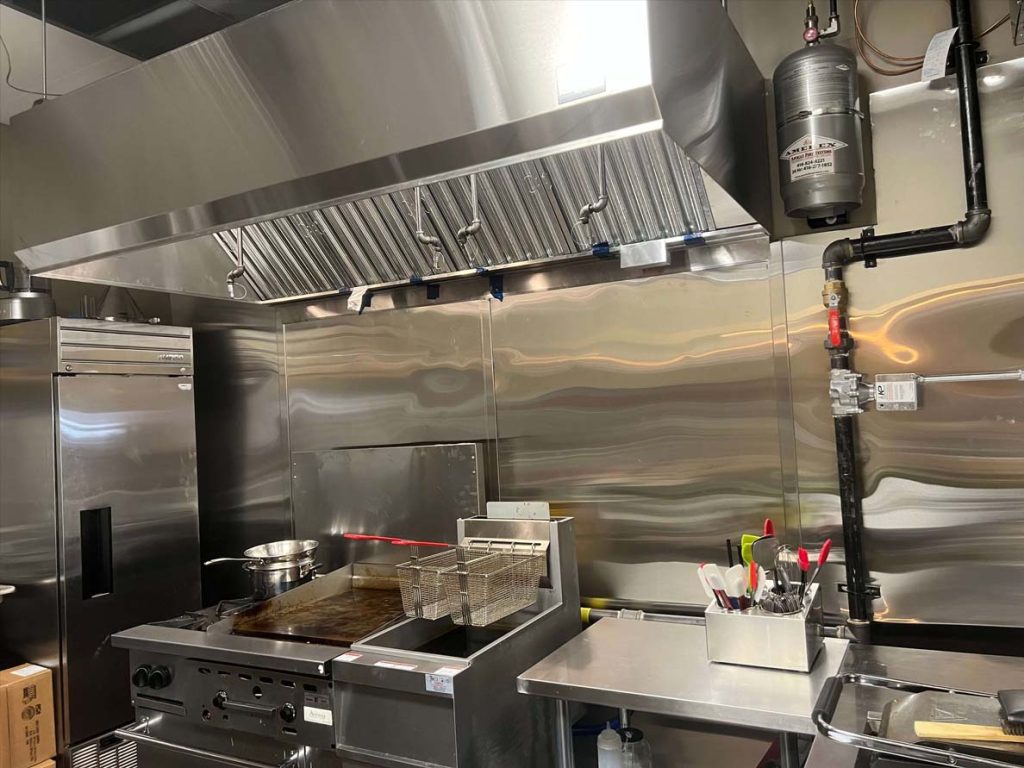
If your restaurant team is saying the roof fan sounds like it is roaring, rattling, grinding, or shaking the building, you are right to take it seriously. A commercial kitchen exhaust fan loud problem is one of the most common warning signs that something in the ventilation system is out of balance, wearing out, or getting coated with grease. The noise might feel like “just a nuisance,” but in many kitchens it is the first clue that airflow is dropping, parts are loosening, and performance is drifting away from what your system was designed to do.
At The Kitchen Exhaust, we troubleshoot loud fan complaints across the GTA because the exhaust fan is the heart of the Commercial Kitchen Exhaust System. When that heart is struggling, you often see other issues at the same time, like smoke lingering under the hood, stronger odors, hotter line temperatures, or doors that suddenly feel harder to open. In this guide, you will learn the most common reasons a commercial kitchen exhaust fan loud issue happens, what you can check safely, when to call a professional, and how to prevent the noise from returning.
You will also see service names like Commercial Exhaust Fan, Commercial Duct Work, Commercial Hood Kitchen, and Make Up Air / Fresh Air that you can use for internal linking.
What “Loud” Tells You About Your System
A commercial kitchen exhaust fan loud complaint is rarely random. Noise usually means your fan is either vibrating, fighting resistance, or operating outside its normal range. A steady roar can suggest the fan is moving a lot of air through a restricted duct, or that turbulence is being created at the discharge. A metallic rattle often points to loose hardware, a shifting curb, or a component that is vibrating against a bracket. A grinding sound is frequently linked to bearings or motor issues. The most important detail is whether the sound is new, getting worse, or changing with cooking load, weather, or door position.
Noise also matters because it can affect staff comfort and communication during peak service. Ontario workplace noise guidance commonly uses an 8-hour exposure benchmark around 85 dBA as a key reference point for hearing risk management, and while your kitchen may not be constantly above that level, persistent high noise is still a signal that something should be corrected. A commercial kitchen exhaust fan loud problem is best treated as a maintenance warning, not something to ignore until the fan fails in the middle of a dinner rush. (External education resource: Ontario guide to noise regulation under OHSA)
Different Noises Point To Different Causes
A commercial kitchen exhaust fan loud sound can be described in a way that speeds up diagnosis. If it is a low hum that worsens as the fan ramps up, think motor strain, belt tension issues, or electrical load changes. If it is a rhythmic thumping, think fan wheel imbalance, grease buildup on blades, or a damaged wheel fin. If the noise spikes when the wind picks up, think turbulence, backdraft damper movement, or roof discharge conditions. If the noise changes when a door opens, negative pressure and Make Up Air / Fresh Air balance may be involved.
When you call a professional, these details reduce guesswork. If you can say, “It is louder at high speed and it vibrates,” that points to mechanical or balancing issues. If you can say, “It roars more when the kitchen is busy and the door is closed,” that points to airflow resistance or makeup air.
Loudness Often Shows Up With Performance Problems
Many operators notice loudness and assume it is only a fan issue, but the root cause is often system-wide. A commercial kitchen exhaust fan loud complaint frequently shows up with weaker hood capture, more smoke escaping, greasy residue around hood seams, or extra heat buildup. Those are all signs the system is operating under stress, either from restriction, imbalance, or failing parts.
Because the fan connects to your Commercial Duct Work and your Commercial Hood Kitchen, the noise is often a symptom of something happening upstream. Fixing the fan without addressing grease buildup, duct restriction, or air balance can lead to repeat problems.
Mechanical Issues That Make Exhaust Fans Loud
A large portion of commercial kitchen exhaust fan loud complaints come from mechanical wear and looseness. Fans run long hours, handle grease-laden air, and sit on rooftops in harsh weather. Over time, belts stretch, bearings wear, mounts loosen, and fan wheels collect grease that throws off balance. Even a small mechanical defect can become loud when the fan is under load, because vibration amplifies through the roof curb and duct connection.
Mechanical issues usually get worse, not better. A bearing that has started to fail will typically become louder over time until it overheats or seizes. A fan wheel that is out of balance will shake more as grease accumulates and as the fan spins at higher speed. A commercial kitchen exhaust fan loud condition caused by mechanical problems should be addressed early to prevent downtime and larger repair bills.
Bearing Wear And Motor Problems
A failing bearing often sounds like grinding, squealing, or a rough rumble, and it usually worsens at higher speed. Motor issues can present as a loud electrical hum, overheating, or a vibration that feels like pulsing. Either way, the fan may still move air, which is why operators sometimes delay service, but the system is working harder than it should and wearing out faster.
If the sound is clearly mechanical, schedule a Commercial Exhaust Fan inspection. A technician can check bearing condition, shaft play, motor performance, and alignment. Catching a bearing problem early can prevent damage to the shaft and fan wheel, which keeps the repair smaller and faster.
Loose Hardware, Curbs, And Vibration Transfer
Sometimes the fan is not the problem, the mounting is. Loose bolts, cracked welds, worn isolation, or a shifting curb can make a normal fan seem much louder than it should. This often sounds like rattling, clunking, or a vibration that travels into the kitchen through the duct. A commercial kitchen exhaust fan loud issue caused by mounting can also change based on speed, because certain RPM ranges create resonance.
In many cases, the fix is not just tightening a bolt. The curb may need reinforcement, isolation may need replacement, and the fan base must be seated correctly so it is not twisting under load. Proper mounting reduces vibration transfer and helps the system run quieter.
Fan Wheel Imbalance From Grease Or Damage
Fan wheels get dirty faster than many owners realize, especially in fry-heavy kitchens. If grease coats one side of the wheel more than the other, the wheel becomes unbalanced and vibration increases. A commercial kitchen exhaust fan loud condition from imbalance often sounds like steady thumping or shaking, and it can worsen quickly after a busy season.
Imbalance can also come from wheel damage, like bent fins or a wheel that has been struck during service. Cleaning and balancing the wheel, and confirming the wheel is not damaged, is a common part of resolving loud fan problems.
Airflow And Pressure Problems That Make Fans Sound Louder
Not every commercial kitchen exhaust fan loud complaint is caused by a failing part. Sometimes the fan is loud because it is fighting airflow resistance or pressure imbalance. When ducts are restricted by grease buildup, the fan works harder to pull the same volume of air, and that added strain can produce louder noise and higher vibration. When makeup air is insufficient, the building goes negative, air rushes through cracks and doors, and the fan can sound louder because airflow becomes unstable.
Airflow issues can be tricky because the fan may be mechanically fine. Replacing a motor or bearings will not solve turbulence, restriction, or negative pressure. The best approach is to evaluate the full system, including Commercial Duct Work condition, hood capture effectiveness, and Make Up Air / Fresh Air delivery.
Restricted Ductwork And Grease Buildup
When grease accumulates inside ducts, it narrows the duct path and increases static pressure. That makes the fan work harder, raises motor load, and often increases noise. A commercial kitchen exhaust fan loud problem tied to restriction can also show up as weaker capture at the hood, more smoke lingering, and a hotter kitchen environment.
If your fan has become louder over months, and you also notice odor or smoke issues, schedule a Commercial Duct Work inspection and cleaning. Restoring duct condition often reduces fan strain and stabilizes airflow, which can reduce noise without replacing major components.
Negative Pressure And Makeup Air Imbalance
Many kitchens exhaust thousands of cubic feet of air per minute. If makeup air is not providing enough replacement air, the building pulls air from wherever it can, including doors, cracks, and adjacent units. This creates drafts, door resistance, and sometimes whistling. It can also make a commercial kitchen exhaust fan loud because the system is operating in a pressure environment it was not designed for.
This is where Make Up Air / Fresh Air becomes critical. Balanced makeup air supports hood capture, reduces turbulence, and can make the fan sound calmer because it is not “starving” the building for air. If the fan gets louder when doors are closed, or when the dining area HVAC changes, balance is a likely factor.
Wind And Rooftop Turbulence
Some fan noise is weather-related. Wind can create turbulence at the discharge, cause backdraft dampers to move, and increase pressure around rooftop equipment. If your commercial kitchen exhaust fan loud problem is much worse on windy days, the cause may involve roof layout, discharge height, nearby walls, or damper condition.
A professional assessment can determine if the discharge configuration needs improvement or if dampers and roof accessories need adjustment. The goal is to reduce turbulence and keep airflow stable in real conditions.
Safe Checks You Can Do Before Calling A Pro
You do not need to climb onto a roof to gather useful information. Before you book service, identify whether the noise is constant or only during startup, whether it changes with fan speed, and whether smoke capture has changed at the hood. Note whether the noise changes when a door opens. These observations help determine if the issue is mechanical or related to makeup air and pressure.
Also check what you can safely access indoors. Confirm hood filters are properly seated, not dripping with grease, and not visibly clogged. Look for vibrating hood panels or loose screws on the hood canopy that might amplify sound. A commercial kitchen exhaust fan loud complaint sometimes includes smaller “echo noises” from vibrating panels, which makes the whole system seem louder than it is.
Fast Troubleshooting Checklist For Loud Fans
Use this quick checklist to narrow down your commercial kitchen exhaust fan loud issue:
- Record a short video with audio from a safe location
- Note if the noise is startup-only or continuous
- Identify if it worsens at higher speed or during rush periods
- Check if doors are harder to open, which hints at negative pressure
- Confirm filters are seated and not overloaded with grease
- Look for vibrating hood panels, access doors, or loose screws
- Observe if smoke capture has weakened
- Note if the noise is worse on windy days
- Check when the last duct and fan cleaning was completed
- Gather service records for quicker diagnosis
This information helps a technician solve the problem faster, and it helps you avoid paying for unnecessary replacement parts.
When You Should Stop And Call Immediately
If the fan is shaking violently, you smell burning, you see sparks, or the system performance suddenly drops, stop operation safely and call for professional service right away. A commercial kitchen exhaust fan loud problem that includes severe vibration can lead to mechanical failure, and that failure can damage the fan, curb, and duct connection.
If your kitchen is filling with smoke because capture is failing, that is also an urgent sign. The fan might still be spinning, but the system may be restricted, out of balance, or failing.
How Maintenance Prevents Loud Fan Problems Long Term
The best way to prevent a commercial kitchen exhaust fan loud issue is to maintain the entire exhaust path consistently. That means regular hood and filter care, periodic cleaning of ducts and the roof fan, and routine checks of air balance. When the system stays clean, airflow stays stable and the fan does not need to work harder than necessary. When the fan wheel stays clean and balanced, vibration stays low and parts last longer.
Maintenance is also a documentation advantage. If inspectors ask about system upkeep, you can show service history and demonstrate that your Commercial Kitchen Exhaust System is treated as a critical safety component. Keeping records also helps you spot patterns, such as noise increasing near the end of a cleaning cycle, which can signal that your cleaning interval should be adjusted.
Why Duct Cleaning And Fan Cleaning Are Connected
A common mistake is cleaning only what you can see. If you clean the hood but postpone duct and fan cleaning, grease continues to build in the hidden areas that affect performance most. That hidden grease can create imbalance at the fan wheel and restriction in the duct, both of which contribute to a commercial kitchen exhaust fan loud condition.
This is why Commercial Duct Work and Commercial Exhaust Fan service often need to be scheduled together. The hood, duct, and fan operate as one system. A clean hood with a dirty duct still creates strain and noise.
The Role Of Make Up Air In Quiet Performance
Even a clean fan can sound loud if the building is starved for replacement air. Makeup air supports smooth airflow and stable pressure, which helps reduce turbulence and noise. Health Canada’s ventilation education highlights the role of outdoor air supply and exhaust in maintaining a healthier indoor environment, which ties into comfort and operational stability.
If your restaurant has ongoing draft complaints, door pressure issues, or smoke capture inconsistency, review your Make Up Air / Fresh Air performance. Balancing the system can reduce noise and improve the kitchen environment at the same time.
Why Choose The Kitchen Exhaust
A commercial kitchen exhaust fan loud problem is easiest to solve when you treat it as a system issue, not only a fan issue. The Kitchen Exhaust takes that approach by connecting Commercial Hood Kitchen capture, Commercial Duct Work condition, Commercial Exhaust Fan performance, and Make Up Air / Fresh Air balance into one plan. That means we look for the root cause, whether it is mechanical wear, grease imbalance, duct restriction, or negative pressure.
We also know restaurants need practical solutions that fit real service hours. Our goal is to restore stable airflow and reduce repeat failures, with clear service documentation you can keep on-site. If your commercial kitchen exhaust fan loud issue is disrupting staff comfort, reducing capture, or getting worse over time, we can help you identify the cause and fix it before it becomes an emergency.
Get Your Exhaust Fan Back To Quiet Performance
If your commercial kitchen exhaust fan loud issue is new, worsening, or paired with smoke capture problems, it is a sign your system needs attention. Loud fans are often caused by mechanical wear like bearings or loose mounts, grease-related imbalance, airflow restriction in ducts, or pressure imbalance from poor makeup air. The right fix depends on the real cause, which is why a full system inspection is the safest way to avoid wasted repairs.
The Kitchen Exhaust can diagnose the problem and connect you to the right services, including Commercial Exhaust Fan inspection and repair, Commercial Duct Work cleaning, Commercial Hood Kitchen support, and Make Up Air / Fresh Air balancing. Contact us to schedule an assessment and get your system back to quieter, safer, more consistent performance.
Frequently Asked Questions
- What is the most common reason for a commercial kitchen exhaust fan loud problem?
The most common causes are grease imbalance on the fan wheel, worn bearings, or duct restriction that forces the fan to work harder, which can make a commercial kitchen exhaust fan loud during peak operation. - Can dirty ducts cause a commercial kitchen exhaust fan loud issue?
Yes. Grease buildup in Commercial Duct Work increases static pressure and strain, which can make a commercial kitchen exhaust fan loud and reduce hood capture. - Does negative pressure make a commercial kitchen exhaust fan loud?
It can. If Make Up Air / Fresh Air is insufficient, turbulence and unstable airflow can make a commercial kitchen exhaust fan loud and can also create door resistance and drafts. - What does bearing failure sound like in a commercial kitchen exhaust fan loud situation?
Bearing issues often sound like grinding, squealing, or rumbling that worsens as the fan runs, and they are a common mechanical cause of a commercial kitchen exhaust fan loud complaint. - Should I turn the fan speed down if my commercial kitchen exhaust fan loud noise is bothering staff?
Lowering speed may reduce noise, but it can also reduce smoke capture. It is better to diagnose and fix the cause of the commercial kitchen exhaust fan loud issue. - Can wind make a commercial kitchen exhaust fan loud on some days?
Yes. Wind can increase rooftop turbulence and damper movement, which can make a commercial kitchen exhaust fan loud mainly during certain weather conditions. - How do I prevent commercial kitchen exhaust fan loud problems long term?
Keep consistent hood filter care, schedule regular duct and fan cleaning, and confirm Make Up Air / Fresh Air balance so the system runs smoothly and reduces the chance of a commercial kitchen exhaust fan loud complaint.