

What Type of Kitchen Exhaust System Do You Need
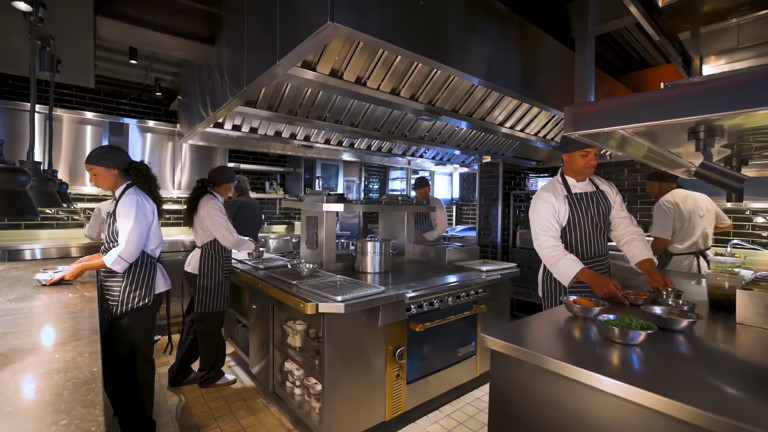
Kitchen exhaust system types play a crucial role in determining how safe and efficient your kitchen will be. Many restaurant owners and contractors struggle to choose between different options, especially when planning a new setup or upgrading an existing one.
If the wrong system is selected, it can lead to poor ventilation, grease buildup, and compliance issues. That’s why understanding the differences between systems is essential before making a decision. To better understand system functionality, explore this guide on ccommercial exhaust system repair.
What Are Kitchen Exhaust System Types?
Kitchen exhaust system types refer to the different configurations used to remove heat, smoke, grease, and odours from cooking areas. These systems vary based on the type of cooking equipment, the level of contaminants produced, and the structure of the building.
The most common classifications include Type 1 and Type 2 hoods, along with ducted and ductless ventilation systems. Each type serves a specific purpose and must be selected carefully to match your kitchen requirements.
Why Choosing the Right System Matters
Selecting the correct system is not just about compliance, it directly impacts performance and safety. A properly chosen system ensures effective airflow and reduces the risk of grease buildup.
In addition, choosing the right partner is equally important. Working with experts like The Kitchen Exhaust ensures your system is designed and installed correctly for long-term efficiency and safety. Another important factor is long-term cost. An incorrect system may require frequent repairs or upgrades, increasing operational expenses.
Understanding Type 1 vs Type 2 Hood
Type 1 hoods are designed to handle grease, smoke, and oil produced by cooking equipment like fryers and grills, while Type 2 hoods manage heat, steam, and odours without grease. Choosing the right hood depends on the type of cooking and ventilation requirements in your kitchen.
Type 1 Hood (Grease Hood)
A Type 1 hood is designed for cooking equipment that produces grease and smoke. This includes fryers, grills, and charbroilers. These hoods are equipped with grease filters and are connected to duct systems that remove contaminants outside.
Because they handle grease-laden vapours, Type 1 hoods are essential for most commercial kitchens. They also require fire suppression systems for added safety.
Type 2 Hood (Condensate Hood)
A Type 2 hood is used for equipment that produces heat, steam, or odours but not grease. Examples include ovens, dishwashers, and steamers.
These hoods do not require grease filters or fire suppression systems, making them simpler and more cost-effective. However, they are not suitable for high-grease cooking operations.
Ducted vs Ductless Kitchen Exhaust Systems
Ducted systems remove air, smoke, and grease by expelling it outside through ductwork, making them ideal for heavy-duty cooking environments. Ductless systems filter and recirculate air, making them suitable for lighter cooking setups with limited installation options.
Ducted Systems
Ducted systems are the most common type of kitchen ventilation. They use ductwork to carry air from the hood to the outside of the building.
These systems are highly effective and suitable for most commercial kitchens. They provide strong airflow and ensure proper removal of smoke and grease.
However, installation can be complex, especially in buildings where duct routing is limited.
Ductless Systems
Ductless systems use filters to clean the air before recirculating it back into the kitchen. They are often used in spaces where duct installation is not possible.
While they are easier to install, they are generally less powerful than ducted systems. They are best suited for low- to medium-intensity cooking environments.
How Kitchen Size Affects Your Exhaust System Choice
Kitchen size plays a major role in selecting the right exhaust system. Larger kitchens with multiple cooking stations require higher airflow capacity to handle increased heat and grease production.
Smaller kitchens may not need as powerful a system, but proper ventilation is still essential. Even in compact spaces, poor airflow can lead to discomfort and safety issues.
The layout also matters. Open kitchens or island setups may require different hood configurations compared to wall-mounted equipment.
Ventilation Requirements You Should Consider
When evaluating kitchen exhaust system types, it is important to consider airflow requirements, equipment type, and operational intensity.
High-volume kitchens require systems that can handle continuous cooking without losing efficiency. In contrast, low-volume kitchens may operate effectively with simpler setups.
Air balance is another key factor. Proper ventilation requires both exhaust and make-up air to maintain pressure balance inside the kitchen.
How to Choose the Right Kitchen Exhaust System
Choosing the right system involves evaluating several factors together rather than focusing on just one.
- Identify your cooking equipment and whether it produces grease
- Determine whether duct installation is feasible
- Assess your kitchen size and layout
- Consider long-term maintenance and operating costs
By combining these factors, you can select a system that meets both your operational needs and safety requirements. If you are exploring equipment options, you can review available solutions for kitchen exhaust system products here.
Common Mistakes to Avoid
One of the most common mistakes is choosing the wrong hood type. Installing a Type 2 hood for grease-producing equipment can lead to serious safety issues.
Another mistake is underestimating airflow requirements. A system that is too small will not perform effectively, while an oversized system can create pressure problems.
Ignoring maintenance is also a major issue. Even the best system requires regular cleaning and inspection to maintain performance.
Who Should Consider Different Kitchen Exhaust System Types?
Restaurant owners, consultants, and contractors all need to understand kitchen exhaust system types to make informed decisions.
New restaurant owners benefit from choosing the right system from the beginning, avoiding costly changes later. Contractors must ensure proper installation based on system type, while consultants focus on optimizing performance and compliance.
Conclusion: Make the Right Choice for Your Kitchen
Understanding kitchen exhaust system types is essential for creating a safe and efficient kitchen environment. From Type 1 vs Type 2 hoods to ducted vs ductless systems, each option serves a specific purpose.
Choosing the right system ensures proper ventilation, reduces fire risks, and improves overall performance. By evaluating your kitchen needs carefully, you can make a decision that supports long-term success.
Frequently Asked Questions
1. What are kitchen exhaust system types?
They include Type 1 and Type 2 hoods, as well as ducted and ductless systems designed for different cooking needs.
2. What is the difference between Type 1 and Type 2 hoods?
Type 1 hoods handle grease and smoke, while Type 2 hoods are used for heat and steam without grease.
3. Are ductless systems effective?
They can be effective for low-intensity cooking but are not ideal for heavy grease applications.
4. How do I choose the right system?
Consider your cooking equipment, kitchen size, and ventilation requirements before making a decision.
5. Do all kitchens need a Type 1 hood?
No, only kitchens with grease-producing equipment require Type 1 hoods.