

Black Iron vs Stainless Steel Kitchen Exhaust Ducts: Which Should You Choose?
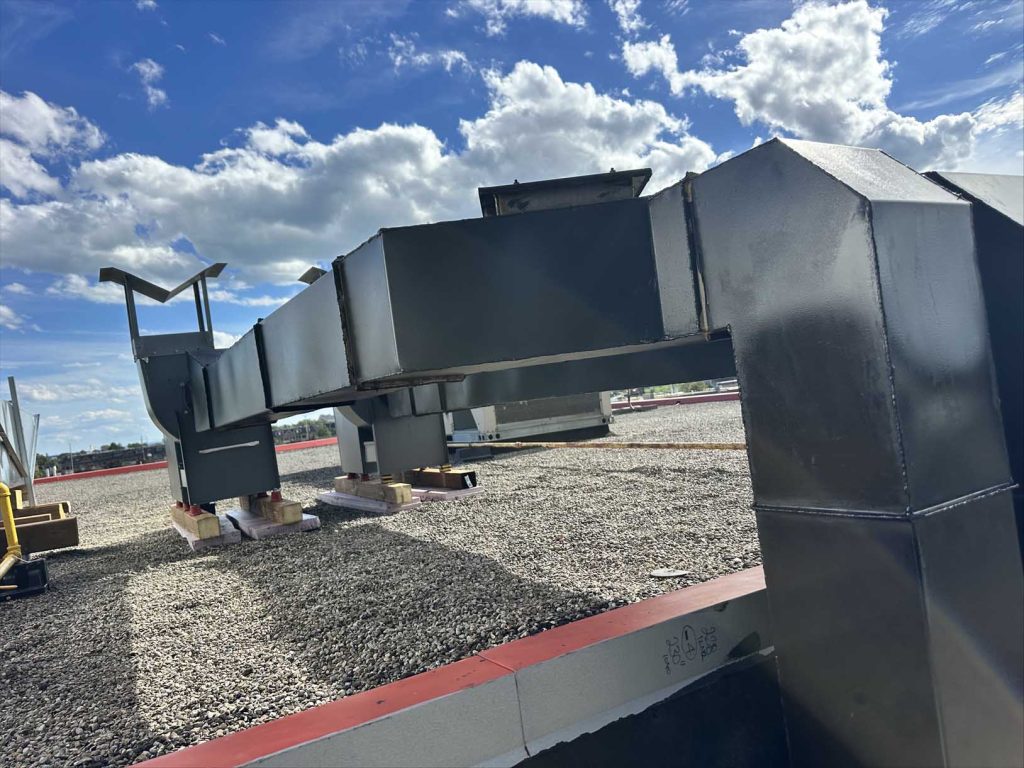
Choosing the right duct material is an important decision when building or upgrading a commercial kitchen. Restaurant exhaust systems must handle high temperatures, grease-laden vapours, moisture, and continuous operation. Two common material options are black iron and stainless steel. While both can be suitable for commercial grease exhaust applications, they differ in initial cost, corrosion resistance, maintenance requirements, and long-term durability.
A stainless steel kitchen exhaust duct is often considered for restaurants looking for corrosion resistance and long-term performance. Black iron, commonly referred to as carbon steel in commercial duct specifications, remains a widely used alternative because of its strength, availability, and generally lower material cost.
At The Kitchen Exhaust, we help restaurant owners understand their commercial ventilation requirements before selecting materials. This guide compares black iron and stainless steel kitchen exhaust ducts, explains the advantages and limitations of each, and highlights the factors that should influence your purchasing decision.
Understanding Black Iron and Stainless Steel Grease Ducts
Commercial kitchen grease ducts carry smoke, heat, and grease-laden vapours from cooking hoods toward the exhaust discharge. Because these ducts operate in demanding environments, material selection affects durability, corrosion resistance, and long-term maintenance.
Black iron and stainless steel are both used in commercial exhaust applications, but their material properties are different.
What Is a Black Iron Grease Duct?
A black iron grease duct is typically manufactured from carbon steel sheet. It is widely used in commercial kitchen exhaust systems because it offers good structural strength and is generally more affordable than stainless steel.
Carbon steel grease ducts are commonly fabricated using welded construction to create grease-tight joints and seams.
Some advantages include:
-
Lower initial material costs compared with stainless steel
-
Strong and durable construction
-
Wide availability for commercial kitchen projects
-
Suitability for many conventional restaurant exhaust applications
However, black iron grease duct systems are susceptible to corrosion when exposed to moisture and other corrosive conditions.
What Is a Stainless Steel Kitchen Exhaust Duct?
A stainless steel kitchen exhaust duct is manufactured from corrosion-resistant stainless steel, which contains chromium that helps protect the metal against oxidation.
Stainless steel is frequently selected for commercial kitchens where moisture exposure, cleaning conditions, or long-term corrosion resistance are important considerations.
Its advantages include:
-
Strong resistance to rust and corrosion
-
Durable performance in demanding environments
-
Easier maintenance of exposed metal surfaces
-
Potentially longer service life in corrosive conditions
Although stainless steel usually costs more initially, its corrosion resistance can make it a practical long-term investment.
Black Iron vs Stainless Steel Kitchen Exhaust Duct: Key Differences
Both materials can provide reliable performance when correctly specified, fabricated, and maintained. The best choice depends on the restaurant’s operating conditions, budget, and applicable code requirements.
The following comparison highlights their main differences.
| Feature | Black Iron Grease Duct | Stainless Steel Kitchen Exhaust Duct |
|---|---|---|
| Material | Carbon steel | Chromium-containing stainless steel |
| Initial Material Cost | Generally lower | Generally higher |
| Corrosion Resistance | Lower | Higher |
| Structural Strength | Strong | Strong |
| Maintenance | Greater attention to corrosion | Generally easier corrosion management |
| Appearance | Dark industrial finish | Clean metallic finish |
| Expected Lifespan | Depends on exposure and maintenance | Can last longer in corrosive environments |
| Fabrication | Commonly welded | Commonly welded |
| Code Suitability | Permitted when specifications are met | Permitted when specifications are met |
A stainless steel kitchen exhaust duct is not automatically better for every restaurant. Material thickness, fabrication quality, environmental exposure, and maintenance practices all influence the final decision.
Comparing the Initial Cost of Grease Duct Materials
Material cost is often one of the first concerns for restaurant owners. Whether you are opening a new restaurant or replacing deteriorated ductwork, choosing between black iron and stainless steel can affect your equipment budget.
Black iron generally has a lower raw material price than stainless steel. This makes it attractive for projects where initial expenses must be carefully controlled.
Stainless steel typically requires a higher upfront investment because of its alloy composition and material pricing.
Why Stainless Steel Costs More
A stainless steel kitchen exhaust duct contains alloying elements that improve corrosion resistance. These materials generally cost more to produce than conventional carbon steel.
Fabrication requirements, material grade, and availability can also influence the final price.
Several factors affect material pricing:
-
Metal Grade: Different stainless steel grades have different material costs.
-
Sheet Thickness: Heavier material generally increases cost.
-
Fabrication Requirements: Welding, forming, and finishing influence pricing.
-
Material Availability: Regional supply conditions can affect quotations.
-
Project Specifications: Special material requirements may increase costs.
Restaurant owners should compare material quotations using equivalent duct specifications rather than looking only at the price per sheet.
For broader information about commercial ventilation project expenses, read our Commercial Kitchen Exhaust System Installation Cost in 2026 guide.
Corrosion Resistance: Which Duct Material Performs Better?
Corrosion resistance is one of the biggest differences between black iron and stainless steel.
Commercial kitchens generate moisture, grease vapours, and airborne contaminants. Depending on the cooking process and surrounding environment, these conditions may contribute to corrosion over time.
A stainless steel kitchen exhaust duct generally offers better protection against corrosion than an equivalent unprotected carbon steel duct.
How Black Iron Responds to Moisture
Black iron grease duct material can oxidize when exposed to moisture and oxygen. Over time, corrosion may damage metal surfaces and affect the condition of the duct.
The risk can increase when moisture is present for extended periods or when environmental conditions are particularly demanding.
Routine inspection helps identify corrosion before it becomes a more serious issue.
Although black iron is durable, its performance depends heavily on operating conditions and proper maintenance.
Why Stainless Steel Resists Rust
Stainless steel contains chromium, which forms a thin protective oxide layer on the metal surface.
This layer helps resist corrosion under many conditions.
A stainless steel kitchen exhaust duct can therefore be advantageous in environments where moisture exposure is a concern.
However, stainless steel is not completely corrosion-proof. Certain cleaning chemicals, chlorides, and aggressive environmental conditions can damage its protective surface.
Choosing the appropriate stainless steel grade is important for achieving the desired performance.
Which Kitchen Exhaust Duct Material Lasts Longer?
Restaurant owners often want to know whether the higher price of stainless steel translates into a longer lifespan.
In corrosive environments, stainless steel may provide a longer useful service life than black iron. However, there is no universal lifespan that applies to every commercial grease duct.
Actual durability depends on material quality, exposure conditions, fabrication, and maintenance.
Factors That Influence Duct Lifespan
Several conditions affect how long grease duct materials remain serviceable:
-
Cooking intensity and operating hours
-
Moisture and corrosive contaminants
-
Quality of welded seams and joints
-
Material grade and thickness
-
Environmental exposure
-
Inspection and maintenance practices
A stainless steel kitchen exhaust duct may be particularly beneficial when corrosion resistance is a major priority.
For kitchens operating under less corrosive conditions, properly specified black iron may provide satisfactory long-term performance at a lower initial material cost.
The goal should be to select a material that fits the restaurant’s actual operating environment rather than assuming one option is always superior.
Understanding Duct Gauge Requirements for Restaurants
Material thickness is another important consideration when comparing grease duct materials.
The term duct gauge restaurant specifications refers to the sheet metal thickness used to manufacture commercial kitchen ductwork.
Gauge numbers can be confusing because lower gauge numbers generally indicate thicker sheet metal. Also, different materials may have different minimum thickness requirements.
Does Black Iron Require the Same Thickness as Stainless Steel?
Not necessarily.
Under commonly referenced NFPA 96 provisions for traditional field-fabricated grease ducts, minimum nominal thicknesses are generally 16 gauge carbon steel (approximately 1.5 mm) or 18 gauge stainless steel (approximately 1.2 mm). These are not universal specifications for every listed duct system or jurisdiction.
In Ontario, the governing Building Code, referenced standards, local authority requirements, and manufacturer listings must be checked before selecting material thickness.
A kitchen exhaust duct should never be specified solely based on price or a general-purpose HVAC duct gauge chart.
Why Proper Material Thickness Matters
Appropriate thickness helps provide the structural integrity required for commercial grease exhaust applications.
It also influences fabrication, welding, durability, and overall material cost.
Before purchasing a stainless steel kitchen exhaust duct or black iron alternative, restaurant owners should confirm that the proposed specifications meet the applicable project requirements.
Welded Grease Duct Construction and Material Selection
Grease ducts are different from ordinary comfort ventilation ducts because they transport grease-laden cooking vapours.
Traditional grease duct construction commonly requires continuously welded, liquid-tight joints and seams to prevent grease leakage.
Both carbon steel and stainless steel can be fabricated into welded grease duct systems when the materials and fabrication methods are suitable.
Why Welding Quality Is Important
A welded grease duct must maintain the integrity of its joints throughout normal operation.
Poor fabrication can create defects that affect grease containment and long-term durability.
Important considerations include:
-
Suitable welding methods for the selected metal
-
Continuous, grease-tight seams where required
-
Proper fabrication of joints and fittings
-
Appropriate material thickness
-
Compliance with applicable construction standards
Stainless steel welding requires suitable techniques and filler materials to preserve the intended corrosion resistance.
Carbon steel welding also requires appropriate fabrication practices to produce durable joints.
The quality of the finished duct is just as important as the metal selected.
When Should You Choose Black Iron Grease Ducts?
Black iron remains a practical option for many commercial kitchen ventilation projects.
Its lower initial material cost makes it attractive to restaurant owners who need durable ductwork while controlling expenses.
Black Iron May Be a Good Choice When:
-
The project has a limited material budget
-
The environment presents relatively low corrosion exposure
-
Conventional welded carbon steel ductwork meets the applicable requirements
-
The owner has a suitable inspection and maintenance plan
-
Stainless steel’s additional corrosion resistance offers limited practical benefit
A properly specified black iron grease duct can provide dependable performance in many commercial kitchens.
However, owners should consider the potential for corrosion and future maintenance before making a final decision.
When Is a Stainless Steel Kitchen Exhaust Duct Worth the Investment?
A stainless steel kitchen exhaust duct becomes particularly attractive when corrosion resistance, durability, and long-term material performance are priorities.
Although the initial price is generally higher, stainless steel may reduce corrosion-related deterioration in demanding environments.
Stainless Steel May Be the Better Choice When:
-
The ductwork is exposed to frequent moisture
-
The environment contains corrosive contaminants
-
Long-term corrosion resistance is a priority
-
The project requires a specific stainless steel grade
-
The owner prefers stainless steel for its exposed appearance
-
Reduced corrosion-related maintenance is an important consideration
For example, a commercial kitchen operating in a moisture-prone environment may benefit from stainless steel’s resistance to oxidation.
However, material grade selection still matters. Different stainless steel alloys provide different levels of corrosion resistance.
Owners should evaluate actual exposure conditions before deciding whether the higher initial material cost is justified.
How Material Selection Connects to Kitchen Exhaust Duct Design
Choosing between black iron and stainless steel is only one part of planning commercial grease ductwork.
The selected material must also meet the system’s design requirements, including thickness, structural support, fabrication specifications, and applicable fire safety provisions.
For a broader explanation of how commercial grease ducts are planned, read our Kitchen Exhaust Duct Design: Sizing, Slope and Layout Basics.
That pillar guide covers the engineering and planning considerations that influence the complete duct system, while this article focuses specifically on material selection.
Before making a purchasing decision, it is also worth reviewing how duct specifications relate to grease duct fire protection requirements. These considerations will be covered in our upcoming Post 3 in the Duct Work series.
Why Choose The Kitchen Exhaust for Commercial Duct Work?
The Kitchen Exhaust provides commercial kitchen ventilation solutions for restaurants and food service businesses across Toronto, Mississauga, Vaughan, Richmond Hill, Markham, Newmarket, and Barrie.
We understand that selecting grease duct materials involves more than comparing purchase prices. Restaurant owners must consider material durability, corrosion resistance, fabrication requirements, and the conditions their equipment will face over time.
Our Commercial Duct Work services help businesses evaluate practical ductwork options for new commercial kitchens and renovation projects.
Whether you are considering a black iron grease duct or a stainless steel kitchen exhaust duct, our goal is to help you make an informed decision based on your restaurant’s requirements and budget.
Request a Kitchen Exhaust Duct Material Quote
Both black iron and stainless steel can be suitable materials for commercial kitchen grease ducts. Black iron generally offers a lower initial material cost, while stainless steel provides stronger corrosion resistance and may offer longer service life in demanding environments.
The right choice depends on your kitchen’s operating conditions, applicable specifications, and long-term priorities.
If you are comparing grease duct materials for a new restaurant or renovation, contact The Kitchen Exhaust to request a material quote.
Our team can help you review your options, compare black iron and stainless steel specifications, and identify a practical duct material for your commercial kitchen.
Frequently Asked Questions
1. Is a Stainless Steel Kitchen Exhaust Duct Better Than Black Iron?
A stainless steel kitchen exhaust duct generally offers better corrosion resistance than black iron. However, black iron can be a cost-effective and durable option when correctly specified for the operating environment.
2. Which Grease Duct Material Is More Affordable?
Black iron grease duct material is generally less expensive initially than stainless steel. Actual pricing depends on material thickness, grade, fabrication requirements, and market conditions.
3. Does Stainless Steel Kitchen Exhaust Ductwork Last Longer?
Stainless steel may last longer in environments where corrosion is a significant concern. However, service life depends on material grade, fabrication quality, exposure conditions, and maintenance.
4. What Gauge Should Commercial Kitchen Grease Ducts Be?
Traditional field-fabricated grease ducts commonly use minimum nominal thicknesses of 16 gauge carbon steel or 18 gauge stainless steel under referenced NFPA 96 provisions. Applicable codes, listings, and project specifications must be verified.
5. Do Commercial Grease Ducts Need to Be Welded?
Traditional field-fabricated grease ducts generally require continuous, grease-tight welded seams and joints. Listed prefabricated systems may use other approved connection methods according to their listings.
6. Can Black Iron Grease Ducts Rust?
Yes. Black iron is carbon steel and can corrode when exposed to moisture and oxygen. Environmental conditions and maintenance influence the rate of deterioration.
7. How Do I Choose Between Black Iron and Stainless Steel Grease Ducts?
Compare initial material costs, corrosion exposure, expected service life, material thickness, and applicable code requirements. A commercial ventilation professional can help determine which material is appropriate for your kitchen.