

Commercial Kitchen Exhaust System Installation Cost in 2026: Breakdown, Factors & Installation Guide
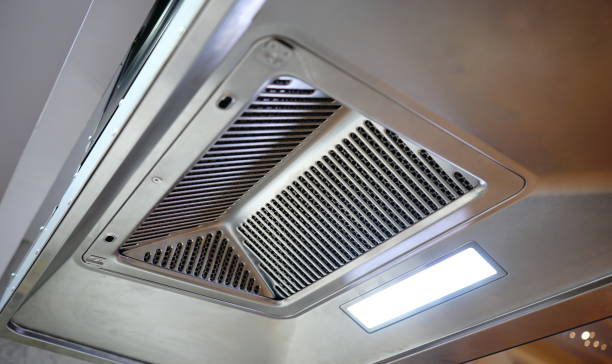
When planning a commercial kitchen, one of the first things to think about is ventilation. A proper exhaust system is essential for managing heat, smoke, grease, and air quality inside your workspace.
Without the right setup, kitchens can quickly become uncomfortable, inefficient, and difficult to maintain. That is why many restaurant owners, cloud kitchen operators, and food business managers begin by understanding how a commercial kitchen exhaust system works before moving forward with installation.
Whether you are opening a new kitchen or upgrading an existing one, understanding the installation process helps you make informed decisions and avoid unnecessary delays.
What Affects the Cost of Installing a Kitchen Exhaust System?
Every commercial kitchen has different ventilation needs, which means installation requirements can vary from one project to another.
One major factor is kitchen size. Smaller kitchens often require simpler systems, while larger spaces with multiple cooking stations need stronger ventilation.
Kitchen layout also matters. If the building has a complicated structure or limited access for duct routing, installation becomes more involved.
Other factors that can influence installation requirements include:
- Cooking volume and equipment type
- Ceiling height and available space
- Distance required for ductwork
- Local building and safety requirements
Understanding these details early helps create a smoother installation process.
Which Kitchen Exhaust System Is Right for Your Business?
Not every kitchen needs the same type of exhaust system.
A lighter-duty kitchen may need a simpler setup, while a busy restaurant or production kitchen usually requires a more advanced system to handle higher airflow demands.
Choosing the right system depends on:
- Type of food being prepared
- Amount of heat and smoke generated
- Kitchen size and workflow
Working with experienced providers like The Kitchen Exhaust can make this process easier. Professional guidance helps ensure your system is designed correctly from the start.
How Important Is the Kitchen Hood in the System?
The hood is one of the most essential parts of the exhaust system. Its job is to capture smoke, grease, steam, and heat directly from the cooking area.
Common Hood Options Include:
- Wall-mounted hoods for kitchens with cooking lines against a wall
- Island hoods for centrally located cooking equipment
- Specialty hoods for unique layouts or equipment setups
Selecting the correct hood helps improve airflow and supports better kitchen performance overall. A poorly selected hood can affect ventilation quality and create operational issues over time.
What Affects Exhaust Fan Performance?
The exhaust fan is responsible for moving air through the system and out of the building.
A properly selected fan helps maintain airflow and prevents heat and smoke buildup.
Important considerations include:
- Airflow requirements
- Kitchen workload
- Energy efficiency goals
- Noise preferences
High-performance fans are often preferred in busy commercial environments because they can support more demanding operations.
How Does Ductwork Affect Installation?
Ductwork connects the hood and fan to the outside exhaust point. While it may not be the most visible part of the system, it has a major impact on overall performance.
In simpler kitchens, ductwork may follow a short, direct path. In more complex buildings, ducts may need to navigate tight spaces, multiple floors, or structural obstacles.
This can affect:
- Installation difficulty
- Airflow efficiency
- Maintenance accessibility
Proper duct design is important for long-term reliability and smoother kitchen operations.
How Is a Commercial Kitchen Exhaust System Installed?
A professional installation follows a structured process to ensure everything functions correctly.
Typical Installation Steps:
- Site inspection and layout review
- Ventilation planning and system design
- Hood installation
- Fan and ductwork setup
- Sealing and insulation
- System testing and final inspection
Each stage is important because even small mistakes can affect performance later. Professional installation ensures all components work together properly and meet required standards.
How Long Does Kitchen Exhaust Installation Take?
Installation timelines vary depending on the size and complexity of the project.
A straightforward installation in a smaller kitchen may be completed relatively quickly, while larger kitchens or custom setups often require more time.
Factors that influence timelines include:
- Kitchen size
- Number of system components
- Building accessibility
- Inspection requirements
Planning ahead helps reduce delays and keeps projects moving efficiently.
Is a Kitchen Exhaust System Required for Commercial Kitchens?
In most cases, yes. Commercial kitchens typically need proper ventilation to maintain safe working conditions and meet local requirements.
A kitchen exhaust system helps:
- Remove smoke and airborne grease
- Reduce heat buildup
- Improve air circulation
- Support safer kitchen conditions
Skipping proper ventilation can create operational and compliance issues that are much harder to fix later.
What Happens If You Don’t Install Proper Ventilation?
This is a common concern for business owners planning a new kitchen.
Without proper ventilation, kitchens can experience:
- Excessive heat buildup
- Grease accumulation on surfaces
- Poor indoor air quality
- Increased fire risk
- Faster wear on equipment and interiors
Over time, these issues can affect staff comfort, kitchen cleanliness, and overall operations.
Proper ventilation is not just a technical requirement—it directly supports daily business performance.
Can Poor Installation Cause Problems Later?
Yes. Even a good system can underperform if it is installed incorrectly.
Common issues caused by poor installation include:
- Weak airflow
- Grease buildup in ducts
- Poor smoke extraction
- More frequent maintenance needs
Improper installation can also lead to avoidable disruptions and future repair work.
If you are unsure which setup works best for your space, consulting experienced professionals early can help prevent these issues.
What Extra Costs Should You Plan for?
Beyond the main exhaust system, there are other components that are often part of the installation.
These may include:
- Fire suppression systems
- Filters and grease management components
- Control systems
- Permits and inspections
Planning for these requirements from the start makes budgeting easier and reduces unexpected issues during the project.
How Can You Plan Your Installation More Efficiently?
A well-planned project usually runs more smoothly.
Before installation begins, it helps to:
- Assess your kitchen layout carefully
- Understand your cooking equipment needs
- Review ventilation requirements
- Work with professionals who understand commercial systems
You can also explore resources like this guide on restaurant ventilation and maintenance to better understand long-term system performance.
Is a Quality Exhaust System Worth It?
For most commercial kitchens, absolutely.
A properly installed system can provide long-term benefits such as:
- Better air quality
- Improved kitchen comfort
- Safer working conditions
- More efficient daily operations
While installation is an important project, it supports your business well beyond the initial setup.
How to Get Started with Your Kitchen Exhaust Project
The best first step is understanding your kitchen’s specific needs. Start by reviewing your layout, equipment, and workflow. From there, work with experienced professionals who can guide you through design and installation. If you are ready to begin or need expert support, you can always get in touch to discuss your project.
Conclusion
Commercial kitchen ventilation is one of the most important parts of a successful kitchen setup.
From airflow and safety to comfort and efficiency, a properly installed exhaust system supports smoother operations every day.
By understanding what goes into installation and planning ahead, you can make better decisions and avoid common setbacks. With the right system and professional support, your kitchen will be better prepared for long-term performance.
Frequently Asked Questions
1. What is included in a commercial kitchen exhaust installation?
A standard setup usually includes the hood, fan, ductwork, and supporting ventilation components.
2. Is a kitchen exhaust system necessary for all commercial kitchens?
Most commercial kitchens require proper ventilation to manage smoke, grease, and air quality.
3. How do I choose the right exhaust system?
It depends on kitchen size, cooking equipment, and ventilation requirements.
4. Can poor installation affect system performance?
Yes. Incorrect installation can reduce airflow efficiency and create maintenance issues.
5. Where can I get expert help for installation?
Working with experienced providers ensures proper system design, installation, and long-term performance.