

NFPA 96 Compliance in Canada: What Every Restaurant Owner Needs to Know
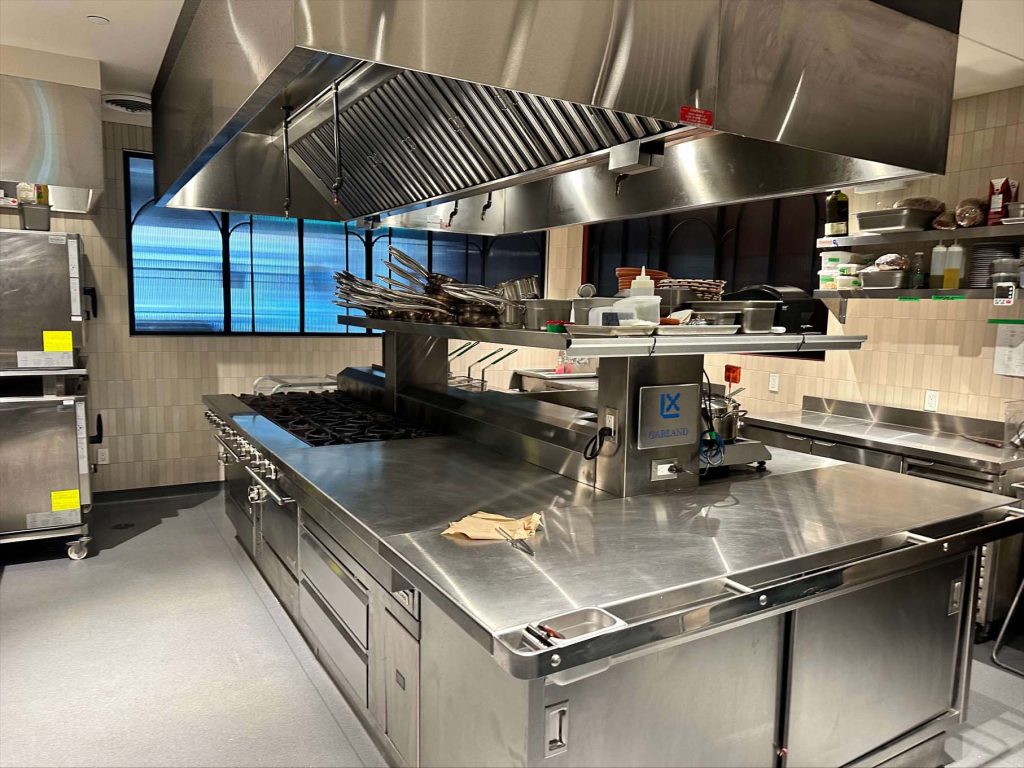
If you own or manage a restaurant, you already know that safety and cleanliness are not “nice extras.” They are part of staying open, protecting staff, and avoiding expensive downtime. One phrase that comes up again and again in inspections, insurance conversations, and contractor recommendations is NFPA 96 compliance Canada restaurant. Restaurant owners ask about it because NFPA 96 is widely treated as the benchmark standard for commercial cooking ventilation fire protection and maintenance, especially when it comes to grease control in hoods, ducts, and exhaust fans.
At The Kitchen Exhaust, we work with restaurants across the GTA that want clear, practical guidance on NFPA 96 compliance Canada restaurant expectations, not confusing technical language. This guide explains what NFPA 96 is, how it connects to Canadian enforcement in the real world, what a compliant maintenance program looks like, and how to keep documentation that supports inspections and reduces risk. Along the way, we will reference related services like Commercial Kitchen Exhaust System, Commercial Hood Kitchen, Commercial Duct Work, and Commercial Exhaust Fan so you can internal link later.
What NFPA 96 Is And Why It Matters For Restaurants
NFPA 96 is a standard focused on ventilation control and fire protection for commercial cooking operations. In simple terms, it is designed to reduce the risk of grease fires spreading through your hood, ductwork, and exhaust fan. It covers how systems should be designed, installed, inspected, cleaned, and maintained. That is why NFPA 96 compliance Canada restaurant discussions almost always connect to hood cleaning frequency, duct access doors, roof fan cleaning, and documentation.
For restaurant owners, the practical takeaway is straightforward. Grease buildup is fuel. If grease is allowed to accumulate in the hood exhaust path, the chance of ignition and fire spread increases. Following NFPA 96 style maintenance practices reduces that risk and helps your kitchen perform better with steadier airflow and stronger capture. Many operators also find that improving NFPA 96 compliance Canada restaurant routines reduces odor complaints, improves comfort, and supports smoother inspections.
NFPA 96 Versus Fire Code Language
A common point of confusion is whether NFPA 96 is “the law” in Canada. NFPA 96 is a standard, not a law by itself. However, Canadian fire codes and local authorities can reference standards like NFPA 96 as the expected method for maintaining commercial cooking ventilation systems. In Ontario, the Ontario Fire Code references maintaining commercial cooking exhaust and fire protection systems in accordance with NFPA 96, which is why NFPA 96 compliance Canada restaurant expectations are so common in Ontario kitchens.
That reference is important because it turns a “best practice” into something inspectors often expect you to follow. Even outside Ontario, many authorities and insurers treat NFPA 96 compliance Canada restaurant practices as the safe baseline for managing grease risk.
Why Compliance Is Also An Operations Issue
Restaurant owners sometimes view NFPA 96 compliance Canada restaurant work as a cost. In reality, it is also a performance investment. Grease buildup restricts airflow, makes fans work harder, increases noise, and can reduce hood capture. Reduced capture means more smoke and grease in the kitchen, more residue on surrounding surfaces, and more cleaning labor for staff. A cleaner system usually runs smoother, captures better, and stays easier to maintain daily.
That is why The Kitchen Exhaust often approaches compliance as a full Commercial Kitchen Exhaust System plan rather than a single cleaning appointment.
How NFPA 96 Compliance Works In Canada In Real Life
In day-to-day restaurant operations, NFPA 96 compliance Canada restaurant usually means you follow a documented program that includes regular inspections, professional cleanings of the hood to roof path, and corrective actions when problems are found. Inspectors and fire prevention officers often want to see proof of maintenance, not just hear that you “clean regularly.” Insurance providers may also ask for records after a claim, so documentation is not optional if you want protection.
Practically, your compliance is strongest when these three elements are true: your system can be cleaned properly because it has access points, your cleaning schedule matches your grease production, and your records prove what was done and when. When any of these elements is weak, NFPA 96 compliance Canada restaurant becomes harder and more stressful.
Authority Having Jurisdiction And Local Enforcement
The authority having jurisdiction is usually the local fire prevention authority that enforces fire safety requirements. They may interpret expectations based on your cooking type, occupancy risk, and history. That means two restaurants with similar menus may still be asked to follow different inspection or cleaning intervals if conditions differ.
The safest approach is to treat NFPA 96 compliance Canada restaurant as a documented, inspection-based program. When you can show consistent reports and a clear schedule, enforcement conversations tend to be faster and smoother.
The Role Of Professional Cleaning Contractors
Professional cleaning is a key part of NFPA 96 compliance Canada restaurant because most restaurants cannot safely clean ductwork and roof fans internally without proper access, equipment, and safety procedures. A reputable contractor should clean the hood interior, filters, ductwork through access doors, and the roof fan. They should also provide a report that documents the work.
This is where internal linking fits naturally. A full service typically includes Commercial Hood Kitchen cleaning, Commercial Duct Work cleaning, and Commercial Exhaust Fan cleaning as one integrated job.
What Components Are Covered Under NFPA 96 Style Maintenance
Most compliance problems happen because operators focus on what is visible. NFPA 96 compliance Canada restaurant is not only about a shiny hood canopy. It is about the full exhaust path that carries grease-laden vapours out of the building. If any part of that path is coated, the risk and performance issues remain.
A practical system checklist includes: hood interior surfaces, grease removal devices like filters, grease cups and trays, duct interior surfaces through access doors, exhaust fan blades and housing, and any related fire protection components. If you clean only one part, the system remains compromised.
Hood And Filters
The hood is the first capture point. Filters remove a large portion of grease, but not all of it. Filters must be seated correctly and cleaned consistently or grease bypass increases and duct contamination accelerates. In NFPA 96 compliance Canada restaurant routines, filter care is one of the simplest daily and weekly actions that keeps the rest of the system cleaner longer.
Your hood service should also include seams, corners, and drip areas where grease hides. These are often the first visible places inspectors notice.
Ductwork And Access Doors
Ductwork is where hidden grease accumulates and where fires can spread if ignition occurs. Ducts must be cleanable, and that requires access doors and panels. If access is missing, your system may not be maintainable to the level expected for NFPA 96 compliance Canada restaurant. Contractors may recommend adding access doors so future cleanings can be thorough and documented.
This area links directly to Commercial Duct Work service and often explains why some restaurants struggle with recurring odor or smoke issues.
Exhaust Fan On The Roof
Roof fans are commonly overlooked. Grease can coat blades and housing, creating imbalance, noise, and reduced efficiency. It can also drip and create rooftop contamination. A complete NFPA 96 compliance Canada restaurant program includes roof fan cleaning, not only an exterior wipe.
This is why The Kitchen Exhaust treats Commercial Exhaust Fan cleaning as a core part of full path service.
Inspection And Cleaning Frequency: How To Set A Practical Schedule
The most reliable way to set a schedule is inspection-based planning. You inspect on a routine cadence, then clean before grease buildup becomes excessive. That aligns with how NFPA 96 compliance Canada restaurant is typically applied in the real world. Heavy grease cooking needs more frequent inspections and cleanings. Light use kitchens may be able to extend intervals if inspections confirm minimal accumulation.
From a management standpoint, a schedule should be realistic. If your restaurant volume is high, a twice-a-year plan may look cheaper, but it often fails because grease accumulation outpaces the calendar. If your volume is low, monthly cleaning may be unnecessary. Inspection-based scheduling finds the balance.
What Makes Grease Accumulate Faster
The biggest drivers are frying, charbroiling, wok cooking, high heat sautéing, long operating hours, and high ticket volume. Even within the same menu category, the real volume matters. Two burger restaurants can have completely different NFPA 96 compliance Canada restaurant needs if one runs 8 hours a day and the other runs 16 hours a day.
Another driver is poor filter maintenance. Dirty filters and misaligned filters increase bypass grease. If you want a stable schedule, daily habits matter as much as professional cleanings.
How Air Balance Impacts Grease Spread
Air balance affects capture. If your kitchen is strongly negative, airflow becomes turbulent and hood capture can weaken, allowing more grease and smoke to escape and spread. That can increase buildup in the system and increase the need for shorter NFPA 96 compliance Canada restaurant cleaning intervals.
This is where Make Up Air / Fresh Air becomes important. Balanced replacement air supports steadier capture and often improves comfort, which makes staff more likely to keep up with daily cleaning routines.
Common Mistakes That Break Compliance
Here are the most common issues we see when restaurants struggle with NFPA 96 compliance Canada restaurant expectations:
- Cleaning only the hood face and ignoring ducts and roof fan
- Skipping filter cleaning or letting filters sit misaligned
- No documentation, or reports that do not list what was cleaned
- Missing duct access doors, making full cleaning impossible
- Stretching the schedule during busy seasons
- Ignoring new menu or equipment changes that increase grease output
- Allowing roof fans to remain coated and imbalanced
- Not coordinating makeup air, leading to weak capture and grease spread
- Using a contractor that does not use proper containment and cleanup
- Treating compliance as a last minute task before inspections
Fixing these issues often turns NFPA 96 compliance Canada restaurant from stressful to routine.
Documentation: The Part Most Restaurants Underestimate
Documentation is where many restaurants fail even if they clean regularly. Inspectors and insurers cannot verify what you did without records. A strong NFPA 96 compliance Canada restaurant file includes professional cleaning reports, dates, scope details, and any corrective actions taken. It should also include internal logs for filter cleaning and hood wipe-down routines if you want to show consistent daily control.
From a broader food premises perspective, Ontario public health reference guidance emphasizes maintaining premises and equipment in a sanitary condition and supporting practices with documentation and structured routines. That reinforces why recordkeeping is a smart operational habit, not just an inspection trick.
What A Good Service Report Should Contain
A proper report should state the hood, ductwork, and exhaust fan were cleaned, not just “hood cleaned.” It should include the service date, the site location, and notes on any problem areas. If access issues exist, the report should note them and recommend corrective steps. If grease buildup was unusually heavy, the report should suggest adjusting the schedule.
In short, a report should support your NFPA 96 compliance Canada restaurant claim with specific evidence, not vague wording.
How To Organize Records For Easy Access
Keep records in a binder at the restaurant and in a digital folder. Include the last several service reports and your filter cleaning log. If you operate multiple locations, standardize the folder structure so every manager stores records the same way.
When inspectors ask questions, speed matters. Being able to pull a report instantly makes your operation look organized and responsible.
Why Choose The Kitchen Exhaust
NFPA 96 compliance Canada restaurant success is built on consistency, thorough cleaning, and documentation that holds up during inspections. The Kitchen Exhaust focuses on full path service, not partial cleaning. We connect Commercial Hood Kitchen cleaning with Commercial Duct Work service and Commercial Exhaust Fan cleaning, and we can also evaluate Make Up Air / Fresh Air conditions that affect capture and grease spread.
We work with restaurant operators who want predictable maintenance, clear scheduling, and reports that are easy to file and show when needed. If your goal is to stay ahead of grease buildup, reduce odor and smoke issues, and avoid last-minute inspection stress, The Kitchen Exhaust can help you build a practical NFPA 96 compliance Canada restaurant plan that matches your cooking volume and real operating conditions.
Build A Year Round Compliance Plan
NFPA 96 compliance Canada restaurant is not about memorizing technical language. It is about controlling grease risk in your hood exhaust path through inspection-based scheduling, full system cleaning, and reliable documentation. In Ontario, the Fire Code references maintaining commercial cooking exhaust and fire protection systems in accordance with NFPA 96, which is why many restaurants treat it as the expected standard for maintenance.
If you want a compliance plan you can trust, do not guess. Book inspections, clean based on real condition, and keep organized records. The Kitchen Exhaust can assess your Commercial Kitchen Exhaust System, including Commercial Hood Kitchen, Commercial Duct Work, Commercial Exhaust Fan, and Make Up Air / Fresh Air needs, then recommend a practical schedule that supports safer operations and smoother inspections. Contact The Kitchen Exhaust to schedule an assessment and build a plan that keeps your kitchen compliant year-round.
Frequently Asked Questions
- What does NFPA 96 compliance Canada restaurant mean for my business?
NFPA 96 compliance Canada restaurant means your hood, ducts, and exhaust fan are maintained and cleaned to prevent hazardous grease buildup, supported by inspection-based scheduling and clear documentation. - Is NFPA 96 compliance Canada restaurant required everywhere in Canada?
NFPA 96 compliance Canada restaurant expectations vary by province and local authority, but many jurisdictions and insurers treat NFPA 96 as the standard approach for commercial cooking ventilation maintenance. - What parts of the system are covered under NFPA 96 compliance Canada restaurant?
NFPA 96 compliance Canada restaurant maintenance typically covers the hood interior, filters, ductwork through access doors, and the roof exhaust fan, plus proper recordkeeping. - How do I set the right NFPA 96 compliance Canada restaurant cleaning schedule?
A practical approach is inspection-based scheduling, where you inspect at intervals aligned with your cooking type and volume, then clean before grease buildup becomes excessive. - Can makeup air affect NFPA 96 compliance Canada restaurant performance?
Yes. Poor Make Up Air / Fresh Air balance can weaken capture and increase grease spread, which can make NFPA 96 compliance Canada restaurant maintenance harder and may require more frequent cleaning. - What documentation should I keep for NFPA 96 compliance Canada restaurant?
Keep professional service reports listing hood, duct, and fan cleaning scope and dates, plus internal logs for filter cleaning and hood wipe-down routines when possible. - Can The Kitchen Exhaust help with NFPA 96 compliance Canada restaurant planning?
Yes. The Kitchen Exhaust can evaluate your Commercial Hood Kitchen, Commercial Duct Work, Commercial Exhaust Fan, and Make Up Air / Fresh Air needs, then recommend a practical NFPA 96 compliance Canada restaurant schedule with clear service documentation.