

Signs Your Kitchen Exhaust System Needs Repair Immediately
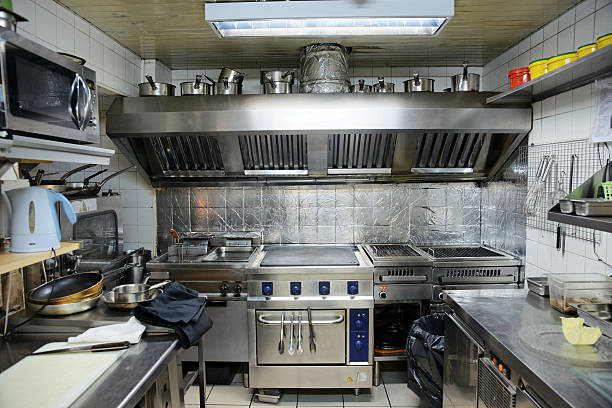
In a commercial kitchen, the exhaust system is one of those things you don’t think about until it stops working properly.
At first, the signs are small. A little extra heat, a strange noise, or smoke that doesn’t clear quickly. These issues are easy to ignore during a busy shift. But over time, they can turn into serious problems that affect safety, efficiency, and even your business operations.
Whether you’re maintaining an existing setup or planning a commercial hood installation service, knowing what to look for can help you act before things get worse.
Why Exhaust Systems Start Having Problems
Kitchen exhaust systems work in tough conditions every day. Heat, grease, and constant use slowly affect performance.
Most of the time, the system doesn’t fail suddenly. Instead, small issues build up like grease inside ducts or reduced airflow until the system can no longer keep up.
That’s why early signs matter. Catching them in time can prevent expensive repairs later.
Strange Noises from the Fan
A working exhaust system should run quietly. If you start hearing unusual sounds, it’s usually the first sign that something isn’t right.
Rattling or grinding noises often point to loose parts or worn components inside the fan. Even a constant humming sound can indicate motor stress.
These problems may seem minor at first, but ignoring them can lead to complete failure. It’s better to have the system checked early by experts like The Kitchen Exhaust.
Kitchen Feels Hotter Than Usual
If your kitchen suddenly feels more uncomfortable than usual, your exhaust system may not be removing heat properly.
You might also notice that smoke takes longer to disappear. This affects not just comfort but also how efficiently your team can work.
In many cases, the issue comes down to blocked airflow or clogged filters—both of which need timely attention.
Grease Building Up Faster Than Normal
Grease buildup is normal in any kitchen, but excessive accumulation is a warning sign.
When grease collects inside the hood or ducts faster than expected, it reduces the system’s ability to function properly. More importantly, it increases the risk of fire.
Even if regular cleaning is being done, unusual buildup usually means there’s a deeper issue that needs professional inspection.
Weak Airflow and Poor Performance
If your exhaust system isn’t pulling air as strongly as it used to, you’ll notice the difference quickly.
Smoke may linger, and the kitchen may feel stuffy. This usually happens when airflow is restricted or when internal components start failing. Fixing this early helps restore performance and prevents further strain on the system.
Hood Getting Too Hot
An exhaust hood should never feel excessively hot during normal use. When it does, it’s often a sign that heat is not being removed properly. This could be due to airflow problems or internal damage. An overheating system is under stress and can become dangerous if ignored.
Frequent Breakdowns
If your exhaust system keeps shutting down or needing repairs, it’s a clear sign something bigger is wrong. Occasional issues are normal, but repeated failures usually indicate worn-out parts or deeper system imbalance. At this point, a proper inspection becomes necessary instead of temporary fixes.
Smoke and Odours Staying in the Kitchen
A good exhaust system should clear smoke and smells quickly. If cooking odors start lingering or spreading beyond the kitchen, it means the system isn’t working efficiently. This not only affects staff but can also impact the overall customer experience.
Rising Energy Bills Without Clear Reason
Sometimes the problem shows up in your electricity bill. If your energy costs are increasing without any major changes in usage, your exhaust system might be working harder than it should.
This usually happens when airflow is blocked or components are not functioning efficiently.
Burning Smell or Visible Smoke
This is one sign you should never ignore.
A burning smell or unexpected smoke can indicate serious issues like electrical faults or heavy grease buildup.
If this happens, stop using the system immediately and get in touch with a professional.
What Happens If You Ignore These Signs
Small problems don’t stay small for long.
Ignoring early warning signs can lead to:
- safety risks, including fire hazards
- higher repair costs
- system failure and downtime
It also creates an uncomfortable and unhealthy environment for your staff.
When Immediate Repair Is Needed
Some situations require urgent action.
If your system stops working completely, produces a burning smell, or shows electrical issues, it’s important to act right away.
Delaying in such cases can increase both risk and damage.
How Regular Maintenance Makes a Difference
Most of these problems can be avoided with regular maintenance.
Cleaning and inspections help keep the system running smoothly and reduce the chances of sudden breakdowns.
Over time, this not only improves performance but also extends the life of your equipment.
Repair or Replacement: What Should You Do?
If your system keeps causing problems, you might start wondering whether repair is enough.
Frequent breakdowns, rising costs, and poor performance are signs that replacement could be a better option.
Final Thoughts
Your kitchen exhaust system plays a critical role in keeping your workspace safe and efficient.
Most issues give early warning signs, like noise, heat, or poor airflow. Paying attention to these signs can help you avoid bigger problems later.
With timely repairs and proper maintenance, you can keep your kitchen running smoothly without unexpected disruptions.
Frequently Asked Questions
1. What are the early signs of a kitchen exhaust system problem?
Early signs usually include unusual fan noise, reduced airflow, lingering smoke, and increased heat in the kitchen. These small changes often indicate that the system is starting to lose efficiency.
2. Why is my commercial kitchen still smoky even with an exhaust system?
If smoke isn’t clearing properly, it’s often due to clogged filters, blocked ducts, or a weak exhaust fan. In some cases, the system may not be powerful enough for your kitchen’s workload.
3. How often should a kitchen exhaust system be cleaned?
The cleaning frequency depends on usage. High-volume kitchens may need monthly cleaning, while moderate-use kitchens can follow a quarterly schedule. Regular cleaning helps prevent grease buildup and improves performance.
4. Is grease buildup in exhaust systems dangerous?
Yes, grease buildup is one of the biggest fire hazards in commercial kitchens. It not only increases fire risk but also reduces airflow and puts extra strain on the system.
5. Why is my exhaust hood getting too hot?
An overheating hood usually means heat is not being properly removed. This can happen due to poor airflow, blocked ducts, or internal mechanical issues.
6. What causes a kitchen exhaust fan to make noise?
Noise from the exhaust fan is often caused by loose parts, worn bearings, or motor issues. These problems should be checked early to avoid complete system failure.