

Kitchen Exhaust System Upgrade: How To Upgrade An Old Kitchen Exhaust System For Better Efficiency
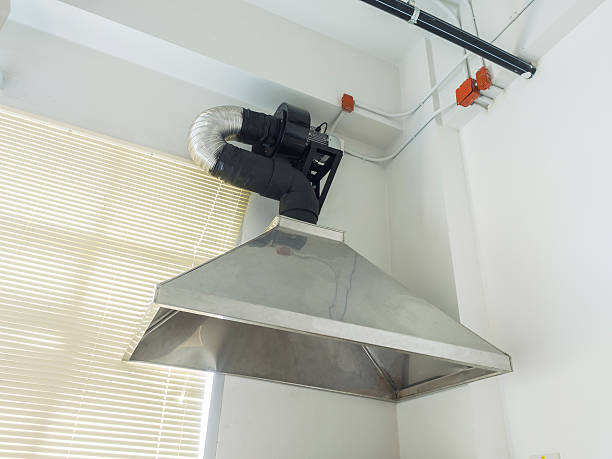
A kitchen exhaust system upgrade is one of the fastest ways to improve airflow, comfort, and safety in a commercial kitchen. If your hood and exhaust setup is older, it may struggle with smoke, heat, and grease control. As a result, staff comfort drops and energy bills rise.
Commercial kitchens in restaurants, hotels, cafeterias, catering facilities, and food production spaces rely on strong ventilation. Proper kitchen hood ventilation removes smoke, grease-laden vapor, odors, and airborne contaminants. Therefore, upgrading outdated equipment can protect your team and support better daily operations.
At The Kitchen Exhaust Inc., we modernize aging systems with efficient, code-ready solutions. This guide explains why older systems lose performance, what upgrades help most, and how to plan the project with minimal downtime.
Why do older kitchen exhaust systems become inefficient
Commercial kitchen ventilation systems run in harsh conditions every day. Heat, moisture, grease, and constant use wear down key components. Over time, performance drops even if the system still “runs.”
Common causes include fan and motor wear, stretched belts, and failing controls. Additionally, grease buildup in ductwork restricts airflow and reduces capture efficiency. That leads to lingering odors, smoke accumulation, and hotter cook lines.
Many older exhaust fans also run at full speed all day. However, modern demand-controlled ventilation can adjust to real cooking loads. When older systems cannot adapt, they waste energy and drive higher utility costs.
Signs you need a kitchen exhaust system upgrade
Declining performance is easy to miss because it happens slowly. Still, several warning signs point to an inefficient exhaust setup.
- Excess kitchen heat near cooking equipment and uncomfortable workstations
- Smoke or odors drifting into prep areas or the dining room
- Frequent repairs like fan failures, motor issues, or inconsistent airflow
- Rising energy bills from inefficient exhaust operation and added HVAC strain
- Code or inspection concerns tied to fire safety, grease control, or ventilation standards
If you notice two or more of these, a kitchen exhaust system upgrade or retrofit may be the most cost-effective next step.
Benefits of a kitchen exhaust system upgrade
Upgrading improves daily performance and long-term reliability. It also helps you meet current expectations for energy efficiency and fire protection.
1. Better airflow and capture
Modern hoods and high-efficiency exhaust fans remove heat, steam, smoke, and grease particles more effectively. As a result, the kitchen stays cleaner and more comfortable.
2. Lower energy costs
Newer motors, fan designs, and variable speed controls reduce electrical use. Additionally, better heat removal reduces HVAC workload, which can further cut operating costs.
3. Improved indoor air quality and comfort
Cleaner air supports a healthier workspace and reduces grease and odor buildup. Cooler temperatures also help staff work more efficiently.
4. Stronger fire safety support
Better grease management and improved duct performance can lower grease accumulation. That reduces risk and helps support safer operations alongside fire suppression systems.
Modern ventilation options for commercial kitchens
Today’s commercial kitchen exhaust systems focus on efficiency without sacrificing performance. Most upgrades combine better equipment with smarter controls.
- High-efficiency exhaust fans that move air effectively with less power
- Variable speed fan controls to match airflow to cooking demand
- Improved hood designs for better grease capture and smoke removal
- Smart monitoring controls that track performance and help flag maintenance needs
When selected correctly, these improvements deliver measurable airflow improvement and more stable kitchen temperatures.
Retrofitting vs. full replacement during a kitchen exhaust system upgrade
Not every project requires a complete replacement. In many facilities, retrofitting delivers excellent results with less disruption and a lower upfront cost.
Common retrofit upgrades
- Replacing outdated exhaust fans with energy-efficient models
- Repairing or resizing ductwork to reduce airflow restrictions
- Adding demand-controlled ventilation or upgraded control panels
- Improving access panels to support easier cleaning and maintenance
However, if ductwork is severely damaged, undersized, or non-compliant, a larger redesign may be necessary. A professional evaluation helps you choose the right scope.
Airflow balance, make-up air, and efficiency
Airflow improvement depends on balance, not just stronger exhaust. Exhaust volume must match the make-up air system to prevent negative pressure. Otherwise, doors can become hard to open, drafts increase, and capture performance can drop.
Balanced airflow also stabilizes temperatures and supports consistent hood performance. Therefore, a kitchen exhaust system upgrade should include airflow testing and proper commissioning after installation.
Compliance and safety considerations during upgrades
Commercial kitchens must meet local codes and fire safety standards. That includes ventilation requirements, grease management rules, and proper integration with fire suppression.
A qualified contractor will confirm hood and duct requirements, verify fan performance, and ensure safe access for inspection and cleaning. Additionally, they will help reduce compliance risk by designing around current standards.
Choosing the right contractor for a kitchen exhaust system upgrade
Commercial kitchen ventilation requires specialized experience. You need a team that understands exhaust design, airflow engineering, and kitchen operations.
- Look for experience with hood systems, ductwork, fans, and controls
- Ask about airflow testing, balancing, and final commissioning
- Confirm code compliance knowledge and fire safety integration
- Choose a provider that offers ongoing maintenance support
At The Kitchen Exhaust Inc., we build upgrade plans around your equipment, layout, and cooking load. That ensures efficiency gains are real and sustainable.
How to plan a successful kitchen exhaust system upgrade
Planning reduces downtime and prevents costly surprises. Start with a system assessment, then align the design to your goals.
- Inspect and test current fans, hoods, ductwork, and airflow performance
- Identify constraints such as roof access, duct routing, and electrical capacity
- Set targets for energy savings, comfort, and code compliance
- Schedule strategically to limit disruption to service hours
- Commission the system to confirm airflow and control settings
This approach helps you get the full benefit from the upgrade and protects long-term reliability.
Conclusion
Older ventilation equipment often cannot meet today’s demands for efficiency, airflow, and safety. When heat, smoke, and grease control decline, operating costs rise and kitchen comfort drops.
A professional kitchen exhaust system upgrade can improve airflow, reduce energy use, strengthen indoor air quality, and support safer operations. With modern fans, better hood performance, and smart controls, your kitchen can run cooler, cleaner, and more reliably.
Contact The Kitchen Exhaust Inc. to discuss your kitchen exhaust system upgrade and get a plan built for efficiency, compliance, and long-term performance.
FAQs
1. What is a kitchen exhaust system upgrade?
A kitchen exhaust system upgrade modernizes ventilation by improving or replacing components like exhaust fans, hood systems, ductwork, and controls to boost airflow and efficiency.
2. How do I know if my kitchen exhaust system needs upgrading?
Common signs include excess heat, smoke or odor buildup, frequent repairs, rising energy bills, and concerns about current ventilation or fire safety codes.
3. How can energy-efficient exhaust systems reduce operating costs?
They reduce electricity use with efficient motors and variable speed controls. Additionally, they remove heat better, which can lower HVAC cooling demand.
4. What are the benefits of retrofitting kitchen exhaust systems?
Retrofitting can improve airflow and energy efficiency without a full replacement. It often reduces downtime and can lower upfront project costs.
5. Why is professional installation important for commercial kitchen ventilation?
Professional installation ensures correct airflow balance, safe integration with fire suppression, code compliance, and reliable performance after commissioning.