

What Actually Happens During a Professional Kitchen Hood Cleaning?
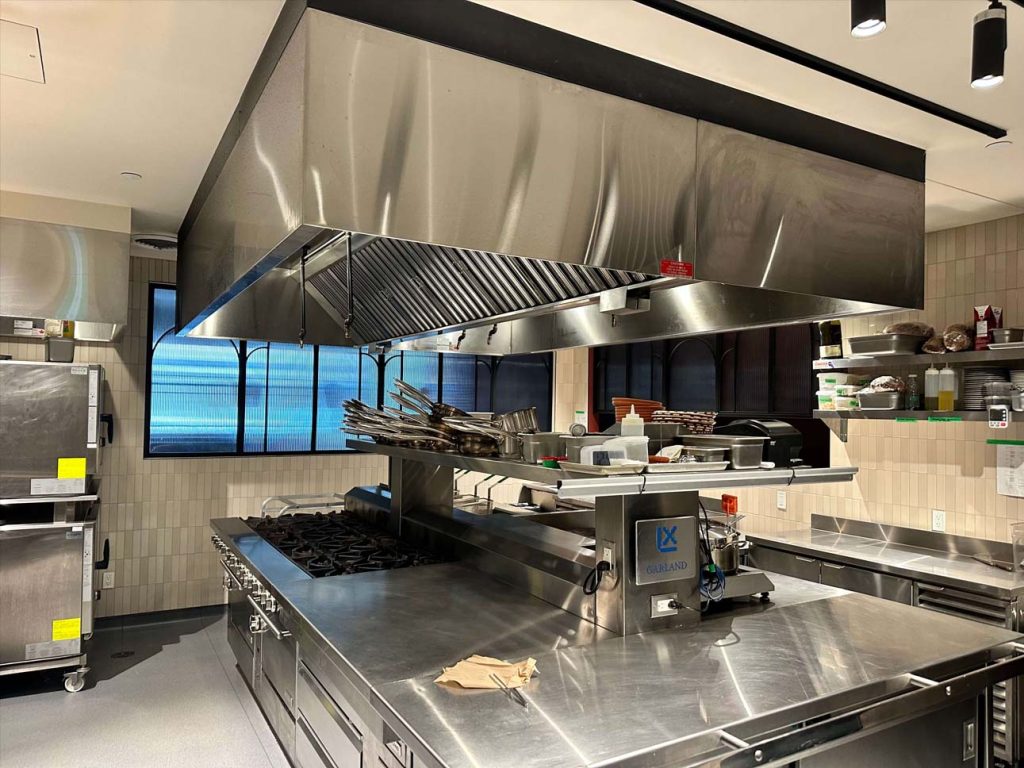
If you have never watched a full service from start to finish, it is normal to wonder what a “professional hood cleaning” really includes. Many restaurant owners assume it is just wiping the hood canopy and washing filters. In reality, a true professional service is a detailed end-to-end procedure designed to remove grease buildup from the hood, filters, ductwork, and roof fan, then document the work so you can prove maintenance during inspections. That full workflow is what most people mean when they ask about the kitchen exhaust hood cleaning process Canada, because Canadian operators often need both performance and paperwork to stay inspection-ready.
At The Kitchen Exhaust, we clean commercial systems across the GTA and we see every type of setup, from small quick-service kitchens to high-volume fry lines and multi-hood restaurants. A professional cleaning is not only about appearance. It is about safety, airflow, odor control, and keeping your operation running smoothly without surprise shutdowns. In this guide, you will learn the step-by-step kitchen exhaust hood cleaning process Canada from prep to final report, what to expect from a reputable contractor, and how to know the job was done correctly. You will also see related service names you can use for internal links later, including Commercial Hood Kitchen, Commercial Duct Work, Commercial Exhaust Fan, and Make Up Air / Fresh Air.
Step One: The Pre Inspection Walkthrough And Scope Check
A professional crew should start with a quick walkthrough, not with a pressure washer. This first step sets the scope, identifies access points, and confirms the components included in the service. The goal is to understand the full exhaust path, including the hood type, filter style, duct routing, fan model, rooftop access, and any restrictions that affect cleaning. The kitchen exhaust hood cleaning process Canada should always be based on the full system, not only the visible hood canopy.
This is also when the team identifies risks and special considerations, like electrical shutoffs, roof safety, fragile ceiling areas, and kitchen equipment that needs protection. If your contractor does not do a walkthrough and does not confirm what is included, you can end up with partial cleaning that leaves grease in ducts or the fan. That is why many operators choose a full Commercial Kitchen Exhaust System approach rather than fragmented services.
What A Technician Checks Before Cleaning Starts
A technician will usually confirm the hood size, filter condition, and grease cup setup, then locate duct access doors and look for signs of heavy buildup. They will also confirm the exhaust fan model and whether it has a hinge kit or safe access method for cleaning. If the fan cannot be opened or accessed properly, a professional team should discuss options, because cleaning a roof fan from the outside only is often not enough.
They also look for performance clues. If smoke capture has been weak, if odors are stronger, or if the fan has become noisy, those are signs that grease buildup or airflow issues may be affecting the system. That information helps tailor the kitchen exhaust hood cleaning process Canada to the condition of your system.
Step Two: Kitchen Protection And Containment Setup
The next step is containment. This is where professionalism becomes obvious, because a proper crew protects your kitchen and prevents mess from spreading. Grease and cleaning runoff must be controlled so it does not contaminate food prep surfaces, equipment, or flooring. Containment usually includes plastic sheeting, magnetic hood drapes, protective covers over appliances, and floor protection in the work zone. The kitchen exhaust hood cleaning process Canada should keep your kitchen sanitary during and after service, not leave you with a cleanup project.
Containment also helps protect the hood and surrounding finishes. Grease removal often requires strong degreasers and hot water, and those products should be used carefully so they do not damage nearby surfaces. A reputable contractor will also plan the wash direction so runoff is captured and disposed of properly.
Why Proper Containment Matters For Compliance And Hygiene
Even when you schedule cleaning after hours, you do not want grease mist or runoff in areas where food is handled. Proper containment supports your sanitation standards and makes it easier to reopen confidently. This is also why many operators keep professional service reports on file. Ontario public health guidance emphasizes maintaining premises and equipment in a sanitary condition, supported by structured practices and documentation. A clean work process and a clear report support that mindset.
If you ever feel the contractor is rushing containment, that is a red flag. A careful setup often takes time, but it protects your operation and keeps the kitchen exhaust hood cleaning process Canada from creating new hygiene issues.
Step Three: Filter Removal And Hood Interior Preparation
Once the area is protected, the crew removes grease filters and begins preparing the hood interior. Filters are usually soaked or cleaned using an appropriate method, depending on the filter type and condition. The hood interior is scraped where needed, especially in corners and seams where grease accumulates. This is where “quick wipe” services fall short, because grease often hides in seams, rivets, and behind filter tracks.
A professional cleaning also includes grease cups, drip trays, and filter rails. These areas can become sticky and can drip when neglected. Cleaning them thoroughly helps reduce odors and keeps the hood area looking and functioning better. In The Kitchen Exhaust service structure, this portion aligns closely with Commercial Hood Kitchen.
What You Should Expect When Filters Are Cleaned
Filters should come back visibly clean, free of thick grease layers, and properly reinstalled. A crew should also check that filters sit correctly, because misalignment increases grease bypass into the duct. If you frequently see filters dripping or turning dark quickly, that might indicate cooking intensity is high, cleaning frequency is too low, or airflow is off.
This is also a good moment to ask the contractor what they are seeing. A good technician will tell you whether buildup suggests the schedule should be adjusted. That practical feedback is part of a quality kitchen exhaust hood cleaning process Canada.
Step Four: Duct Access And Deep Grease Removal
This step is what separates professional service from surface cleaning. The duct is the hidden grease highway that connects the hood to the roof fan. If grease builds up in the duct, airflow drops and risk increases. A professional team opens access doors and cleans the duct interior, often using scraping, brushing, and hot-water washing methods appropriate for the duct type and condition. In the service menu language, this is Commercial Duct Work.
The goal is to remove grease accumulation and restore the duct interior to a safe condition. A reputable contractor will not skip this step unless your system truly has no duct contamination, which is uncommon in most cooking operations. If the contractor never opens duct access doors, you should ask what portion of the exhaust path they are actually cleaning.
How Technicians Reach Difficult Duct Sections
Some ducts have multiple turns, vertical runs, and hard-to-reach sections. A professional crew relies on access doors and planned service points to reach these areas. If access doors are missing, the crew may recommend adding access panels so future cleaning is possible. Without access, duct cleaning can be incomplete, which undermines the kitchen exhaust hood cleaning process Canada and can create a compliance issue during inspections.
This is also why planning matters when a system is installed or modified. A well-designed Commercial Kitchen Exhaust System includes the access needed for maintenance, not only the performance needed for capture.
Step Five: Roof Fan Cleaning And Final Exhaust Path Check
The roof fan is one of the most overlooked parts of the system, yet it is where grease and moisture often collect. During professional service, the crew accesses the fan safely, opens or hinges it when possible, and cleans the fan blades, housing, and grease collection points. This step often reduces vibration and noise and can restore airflow stability. On the site menu, this connects to Commercial Exhaust Fan.
A professional team should also check the fan for visible wear, loose hardware, and unusual vibration after cleaning. Cleaning is not the same as repair, but a quality contractor will flag issues like worn belts, loose mounts, or motor concerns so you can plan maintenance before failure.
Why A Clean Roof Fan Helps Performance And Comfort
A dirty fan can become imbalanced, louder, and less efficient. It can also affect how air moves through the hood and duct. Many restaurant teams notice better smoke capture after the fan is cleaned, not only after the hood is cleaned. That improvement makes the kitchen more comfortable and can reduce odors that drift into dining areas.
If your fan becomes loud again quickly after cleaning, it can be a sign of fast grease accumulation, poor filter maintenance, or air balance issues. That is where Make Up Air / Fresh Air evaluation can be useful because negative pressure and turbulence can affect how grease travels through the system.
Step Six: Rinse Down, Detail Cleaning, And Area Restoration
After degreasing and deep cleaning, the crew rinses and details the hood interior and visible components. This includes wiping edges, polishing visible stainless surfaces where appropriate, and ensuring grease cups and trays are clean and reinstalled correctly. They should also remove containment materials carefully so grease residue does not drip onto clean surfaces.
A good kitchen exhaust hood cleaning process Canada ends with a kitchen that looks ready to open. Floors should not be left greasy, equipment covers should be removed without spreading residue, and the hood area should not have sticky spots that staff will discover during the next shift.
What To Look For Before The Crew Leaves
Before the crew leaves, take a quick look at key areas: hood corners, filter tracks, grease cups, and any visible duct access points. Ask if the roof fan was opened and cleaned internally. Also confirm that filters are installed properly and that no access doors were left open.
A reputable contractor will welcome this walkthrough. It shows you care about standards and it helps avoid misunderstandings later.
What A Professional Hood Cleaning Should Include
Here is a simple checklist you can use to confirm the kitchen exhaust hood cleaning process Canada was done properly:
- Hood interior cleaned, including seams and corners
- Grease filters removed, cleaned, and reinstalled correctly
- Grease cups and drip trays cleaned
- Duct access doors opened and duct interior cleaned
- Roof fan blades and housing cleaned, not only the exterior
- Work area protected with proper containment
- Kitchen area restored clean, with floors checked for residue
- Service report provided with date and scope
- Any deficiencies or access issues documented
- Recommendations provided for next service timing
If several of these items are missing, the service may have been partial.
Step Seven: Documentation, Stickers, And Proof For Inspections
Professional cleaning should come with documentation. That means a service report with the date, location, scope, and notes on system condition. Many operators also receive a service sticker indicating the service date. Documentation helps in two ways: it supports inspection conversations and it helps you manage maintenance schedules across locations.
Fire safety expectations also matter. In Ontario, the Fire Code references maintaining commercial cooking ventilation and fire protection systems in accordance with NFPA 96, which strengthens the importance of routine inspection, cleaning, and recordkeeping.
What A Good Service Report Should Say
A good report should state what components were cleaned, including hood, filters, ducts, and fan. It should also note any issues, like missing access doors, damaged fan components, or unusually heavy buildup that suggests cleaning intervals should be shortened. If the report only says “hood cleaned” with no mention of duct or fan, it may not support the full kitchen exhaust hood cleaning process Canada you actually need.
Keep these reports in a binder or digital folder that managers can access quickly. If you run multiple sites, standardizing recordkeeping makes audits and inspections much easier.
How Often Should You Schedule Professional Hood Cleaning In Canada?
The right schedule depends on cooking type, volume, and grease output. Heavy frying and high-volume cooking typically require more frequent service than light cooking operations. A smart approach is inspection-based: schedule inspections at a frequency aligned to your cooking style, then clean before grease buildup becomes hazardous.
If you frequently see filters clog quickly, notice odors increasing, or hear the fan becoming louder, those are signs the schedule may need adjustment. A quality contractor will help you set a realistic schedule rather than guessing.
How Make Up Air Can Affect Grease Travel
Many operators do not connect makeup air to hood cleanliness, but the airflow pattern in the kitchen affects capture. If the kitchen is strongly negative or if supply air is dumping in the wrong location, it can disrupt capture and increase grease spread. That is why Make Up Air / Fresh Air is part of a complete plan, not a separate topic.
When airflow is balanced, capture is steadier and the system can stay cleaner between services. Balanced airflow can also help staff comfort, which makes daily cleaning routines easier to maintain.
Why Choose The Kitchen Exhaust
A professional kitchen exhaust hood cleaning process Canada should be thorough, consistent, and documented. The Kitchen Exhaust focuses on complete system results, not only surface appearance. We clean and service Commercial Hood Kitchen systems, address Commercial Duct Work buildup, restore Commercial Exhaust Fan performance, and evaluate Make Up Air / Fresh Air balance when airflow issues are affecting capture and cleanliness.
We also know restaurant operations. You need clear scheduling, respectful work practices, and reporting that helps you stay inspection-ready. When you work with The Kitchen Exhaust, you get a team that treats your exhaust system as a critical safety and performance component, not a quick wipe-down task. If you want a cleaning process you can trust, with documentation you can show during inspections, we can help you build a plan that keeps your kitchen running smoothly year-round.
Ready For A Documented Hood Cleaning Plan?
So what actually happens during a professional hood cleaning? A true kitchen exhaust hood cleaning process Canada includes a walkthrough and scope check, full containment and protection, deep cleaning of the hood interior and filters, cleaning of ductwork through access doors, roof fan cleaning, detail restoration of the work area, and clear documentation to prove maintenance. When all of those steps are done correctly, you get better capture, less odor, steadier airflow, and a cleaner kitchen environment that supports strong inspection outcomes.
If you want a reliable, documented service plan, The Kitchen Exhaust can help. We can clean your Commercial Hood Kitchen system, service your Commercial Duct Work, clean your Commercial Exhaust Fan, and evaluate Make Up Air / Fresh Air conditions that affect performance. Contact The Kitchen Exhaust to schedule an assessment and set a cleaning routine that fits your cooking volume and keeps your system in great condition.
Frequently Asked Questions
- What is included in the kitchen exhaust hood cleaning process Canada for restaurants?
The kitchen exhaust hood cleaning process Canada typically includes cleaning the hood interior, filters, ducts, and the roof fan, plus containment setup and documentation. - How long does the kitchen exhaust hood cleaning process Canada usually take?
Time varies by system size and grease buildup, but the kitchen exhaust hood cleaning process Canada often takes several hours for full hood, duct, and fan service. - Does the kitchen exhaust hood cleaning process Canada include duct cleaning?
A proper kitchen exhaust hood cleaning process Canada should include duct cleaning through access doors, especially in grease-producing kitchens. - Will the kitchen exhaust hood cleaning process Canada reduce odors and smoke?
In many cases, yes. Removing grease buildup improves airflow and capture, which can reduce odors and lingering smoke after the kitchen exhaust hood cleaning process Canada is completed. - How do I know the kitchen exhaust hood cleaning process Canada was done correctly?
Look for cleaned hood corners and seams, clean filters, evidence of duct access being used, roof fan cleaning, and a clear service report. - Is the kitchen exhaust hood cleaning process Canada connected to fire code expectations?
Yes. Ontario’s Fire Code references maintaining commercial cooking ventilation systems in accordance with NFPA 96, which supports routine inspection, cleaning, and recordkeeping as part of the kitchen exhaust hood cleaning process Canada. - How often should I schedule the kitchen exhaust hood cleaning process Canada for my kitchen?
Frequency depends on cooking type and volume. High grease kitchens usually need more frequent service, while lower volume kitchens may be able to extend intervals based on inspection results.