

Why Your Restaurant Hood System Needs Regular Cleaning?
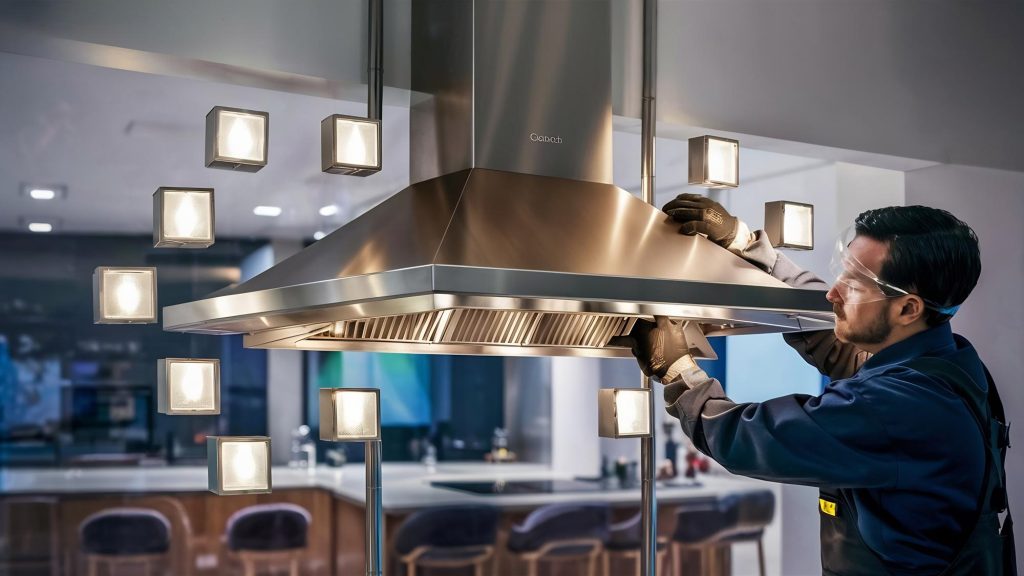
A busy kitchen produces heat, smoke, and grease every single shift. Over time, that grease does not just disappear. It collects inside the hood, filters, ductwork, and even around the exhaust fan, which is why restaurant hood cleaning is not an optional task. At The Kitchen Exhaust, we see the same pattern across the GTA: when restaurant hood cleaning gets delayed, airflow drops, odors linger, smoke escapes the capture zone, and inspection stress goes up fast.
Regular restaurant hood cleaning protects your people, your customers, and your business. It supports safer operations, helps reduce fire risk, keeps your ventilation performing the way it was designed, and makes it easier to stay compliant with the standards your inspectors expect. In this guide, we break down exactly why restaurant hood cleaning matters, what happens when it is ignored, and how to set a realistic routine that fits your kitchen.
How Grease Builds Up And Why It Matters
Grease is sticky by nature, and your hood system is designed to capture it. The problem is that capture also means accumulation. Even if the hood “looks fine” from the outside, grease can build up on internal surfaces, inside duct runs, and around fan components. That hidden buildup is one of the biggest reasons restaurant hood cleaning should be treated like a scheduled safety task, not a “when we have time” chore.
As grease builds, it changes how air moves through the system. It can restrict airflow, create turbulence, and reduce the hood’s ability to pull smoke and heat off the line. When airflow drops, staff often crank up the fan or prop doors open, which can create negative pressure issues. Regular restaurant hood cleaning keeps the system closer to its designed performance and helps avoid those domino effect problems.
Where Grease Hides The Most
Grease often collects behind filters, along duct seams, at elbows and transitions, and near the exhaust fan housing where air velocity changes and particles drop out.
Why Visible “Clean” Is Not Always Clean
A hood face can look clean while the duct interior is coated, which is why professional restaurant hood cleaning is based on access, inspection, and documented cleaning, not surface wipe downs.
Restaurant Hood Cleaning And Fire Safety
The biggest reason restaurant hood cleaning matters is fire safety. Grease is fuel. When enough grease collects in the hood and ductwork, a flare up on the line can spread far beyond the cooking surface. A well maintained system helps reduce that risk by removing grease before it becomes a hazard. Restaurant hood cleaning is one of the simplest, most direct ways to lower the chance of a fast moving kitchen fire.
Fire safety is not only about the hood itself. It is also about the full path of exhaust, including the duct and fan. If grease reaches the fan and roof discharge area, it can create additional hazards and property damage risk. Proper restaurant hood cleaning supports a safer exhaust path from the hood collar to the termination point, and it helps your fire suppression system work in a cleaner environment.
What Inspectors Look For During Visits
Inspectors often check for visible grease, access to components, and overall system condition. Consistent restaurant hood cleaning helps you show that your kitchen is actively managing grease buildup.
Why Fire Suppression Needs A Cleaner Environment
Suppression systems can be less effective when grease is heavy, layered, and widespread. Restaurant hood cleaning supports better containment by reducing fuel load inside the system.
Performance Problems Caused By Skipping Restaurant Hood Cleaning
If your kitchen feels smoky even with the fan on, you are not alone. Many airflow complaints start with buildup. Grease on filters and internal surfaces increases resistance, which means the fan has to work harder to move the same air. That extra strain can show up as noise, vibration, overheating, or inconsistent airflow. Restaurant hood cleaning helps reduce that resistance and supports steadier ventilation during peak hours.
Skipped restaurant hood cleaning can also lead to comfort problems that hurt productivity. A greasy system captures less smoke and heat, so the line feels hotter, the air feels heavier, and odors can drift into the dining room. When staff are uncomfortable, speed and consistency suffer. Regular commercial kitchen hood cleaning supports a cooler, cleaner working environment and helps your kitchen stay guest ready.
Signs Your Hood System Is Losing Capture
Smoke rolling out the front of the hood, greasy film on nearby surfaces, strong cooking odors, and heat that never seems to leave are common signs restaurant hood cleaning is overdue.
How Dirty Filters Reduce Airflow
Filters loaded with grease block air passages. Restaurant hood cleaning includes filter attention because airflow starts at the first barrier in the system.
Codes, Standards, And Why Compliance Is Easier With Routine Cleaning
Most restaurant owners do not want to think about codes until an inspection is coming. The reality is that routine restaurant hood cleaning makes compliance less stressful because you are not scrambling to fix months of buildup. Consistent cleaning also helps you spot issues early, like damaged filters, loose access panels, or fan problems that can escalate if ignored.
If your building has a landlord, property manager, or shared rooftop discharge concerns, commercial kitchen hood cleaning becomes even more important. Grease residue and odor complaints often trigger landlord pressure. A documented restaurant hood cleaning routine shows you are operating responsibly and helps protect your lease relationship.
Documentation Matters More Than Most People Think
Many kitchens clean “sometimes” but cannot prove it. Commercial kitchen hood cleaning records help demonstrate that the system is being maintained consistently.
Helpful Canadian Government Resources
Here are two Canadian government resources that support workplace safety and fire prevention education. You can reference them in your compliance and training process:
- Government of Canada – Workplace health and safety
- Canadian Centre for Occupational Health and Safety – Fire Protection
What A Proper Restaurant Hood Cleaning Routine Looks Like
A realistic restaurant hood cleaning routine has layers. Daily and weekly tasks help reduce surface grease and keep filters from becoming overloaded. Monthly checks help catch early warning signs. Scheduled professional commercial kitchen hood cleaning targets the hidden areas that in house crews typically cannot access safely or thoroughly. The goal is not perfection every day. The goal is consistency that prevents heavy buildup.
The best routine is the one your team can actually follow. That means clear responsibilities, simple checklists, and reminders that align with your operation. If you run late nights, schedule tasks that fit your close down flow. If you run heavy frying and grilling, plan for more frequent restaurant hood cleaning because grease load is higher. Matching frequency to cooking volume is how you stay ahead.
Daily And Weekly Tasks Your Team Can Handle
Wipe exposed hood surfaces, keep drip trays clean, and monitor filter condition. These steps support commercial kitchen hood cleaning by slowing buildup between deeper cleanings.
When You Need Professional Help
When grease is inside ductwork, around fan housings, or in difficult roof discharge areas, professional restaurant hood cleaning is the safer and more complete option.
Restaurant Hood Cleaning Warning Signs
Restaurant hood cleaning is overdue when the system starts giving you signals. The key is to treat these signals as early warnings, not normal kitchen life. When you act early, you avoid emergency shutdowns, surprise repairs, and uncomfortable service conditions.
This list gives you a fast way to spot problems before they become bigger. If you notice two or more items consistently, it is time to review your restaurant hood cleaning schedule and consider a system check.
- Smoke escaping the hood during normal cooking
- Strong grease odor even after closing
- Filters dripping, heavy, or visibly coated
- Fan noise increasing or vibration starting
- Grease film showing up on nearby walls or ceilings
- Staff complaining about heat that will not clear
- Doors sticking or drafts getting worse
Why Choose The Kitchen Exhaust
Commercial kitchen hood cleaning is not just about removing grease. It is about protecting your system performance, supporting compliance, and reducing disruption to service. The Kitchen Exhaust approaches restaurant hood cleaning as part of a complete ventilation mindset: hood, filters, ductwork, fan, and makeup air all working together. That full system view helps you fix root causes, not just symptoms.
We also understand real restaurant conditions in the GTA. Tight spaces, shared rooftops, mixed use buildings, and landlord requirements are common challenges. Our team helps you plan commercial kitchen hood cleaning that fits your operation, improves reliability, and supports smoother inspections. When you want practical guidance, clear communication, and results you can feel on the line, The Kitchen Exhaust is ready to help.
What You Can Expect From Our Process
You get clear recommendations based on your equipment, your airflow needs, and your layout, plus support that keeps restaurant hood cleaning straightforward and consistent.
How We Help You Stay Inspection Ready
We focus on maintainable setups, accessible components, and practical scheduling so restaurant hood cleaning supports compliance without chaos.
Restaurant Hood Cleaning Benefits And Next Steps
Commercial kitchen hood cleaning is one of the most valuable habits a commercial kitchen can build. It helps reduce grease fuel inside the system, supports safer operations, improves airflow, and protects staff comfort. When restaurant hood cleaning is consistent, kitchens tend to run cooler, smell cleaner, and feel more controlled during the rush.
If you want to tighten up your routine, reduce smoke complaints, or prepare for an inspection, contact The Kitchen Exhaust. We can review your system, recommend a restaurant hood cleaning schedule that fits your cooking volume, and help keep your ventilation working the way it should.
Frequently Asked Questions
1) How often should restaurant hood cleaning be done?
Commercial kitchen hood cleaning frequency depends on cooking volume and grease load, but most kitchens need a consistent schedule that includes routine professional cleaning.
2) What happens if restaurant hood cleaning is delayed too long?
When restaurant hood cleaning is delayed, grease buildup increases fire risk, reduces airflow, and can lead to smoke, odor, and inspection problems.
3) Can my staff handle commercial kitchen hood cleaning without professional help?
Staff can handle surface tasks, but restaurant hood cleaning inside ductwork and around fans usually requires professional access and safety practices.
4) Does restaurant hood cleaning help with smoky kitchens?
Yes. Restaurant hood cleaning reduces airflow restriction and improves capture, which often helps smoky kitchen issues caused by buildup.
5) Is commercial kitchen hood cleaning required for inspections?
Many inspections expect the system to be maintained. Restaurant hood cleaning records and visible condition can influence inspection outcomes.
6) Will restaurant hood cleaning reduce odor complaints?
Often yes. Restaurant hood cleaning removes grease and residue that contribute to persistent odors and rooftop discharge concerns.
7) What parts are included in restaurant hood cleaning?
Commercial kitchen hood cleaning commonly includes the hood interior, filters, ductwork, and fan related areas, depending on access and the service scope.